Neurological Changes to Watch for in FIP Cats
Feline Infectious Peritonitis (FIP) is a serious and often fatal viral disease affecting cats worldwide. Caused by a mutated form of the feline coronavirus (FCoV), FIP manifests in various clinical signs, making it a challenging disease for veterinarians and pet owners alike. While traditionally thought to primarily cause systemic illness with fluid accumulation, recent research highlights the importance of recognizing neurological changes that can occur in FIP-affected cats. Early detection of neurological symptoms can be crucial for timely intervention and improving quality of life.
Understanding FIP and Its Neurological Involvement
FIP is characterized by an abnormal immune response leading to widespread inflammation within multiple organ systems. It typically presents in two forms: the "wet" or effusive form, and the "dry" or non-effusive form. The dry form often involves granulomatous lesions in organs such as the kidneys, liver, and eyes, and sometimes the central nervous system (CNS).
Neurological involvement occurs when FIP affects the brain and spinal cord, resulting in a range of clinical signs that can easily be mistaken for other neurological disorders. Recognizing these signs early can influence treatment decisions and provide a better prognosis.
Common Neurological Signs in FIP Cats
Cats with neurological FIP may develop a variety of signs, including:
Ataxia: Uncoordinated movements, often seen as wobbling or stumbling.
Head tilt: A tilt of the head to one side due to inner ear or brainstem involvement.
Seizures: Sudden, uncontrolled electrical disturbances in the brain.
Weakness or paralysis: Especially in limbs, indicating spinal cord or brainstem involvement.
Nystagmus: Rapid involuntary eye movements.
Altered mental state: Such as disorientation, lethargy, or coma.
Increased intracranial pressure: Leading to behavioral changes, blindness, or other cranial nerve deficits.
Pathophysiology of Neurological Changes
FIP-related neurological changes result from inflammatory granulomas forming within the CNS tissue. These granulomas cause localized swelling, tissue damage, and disruption of normal neural pathways. The inflammation may also lead to increased intracranial pressure, which exacerbates neurological deficits. The virus’s tendency to invade nervous tissue makes neurological signs particularly concerning and often indicates an advanced stage of the disease.
Diagnostic Approaches for Neurological FIP
Diagnosing neurological FIP is challenging due to overlapping symptoms with other neurological diseases. A combination of diagnostic tools can aid in identifying FIP-related neurological involvement:
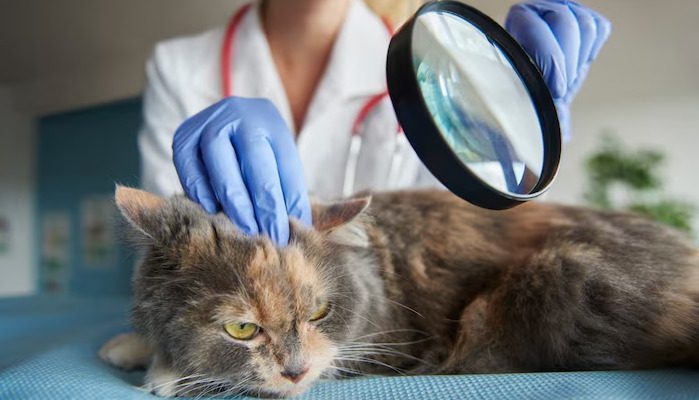
Neurological examination: Assessing gait, reflexes, cranial nerve function, and mental status.
Imaging: MRI and CT scans can reveal granulomatous lesions, brain swelling, or other abnormalities.
Cerebrospinal fluid (CSF) analysis: Elevated protein levels and presence of FIP viral RNA can support diagnosis.
Serology and PCR testing: Detecting FIP-specific antibodies or viral RNA helps confirm infection.
Histopathology: Post-mortem examination showing granulomatous inflammation in neural tissue.
Innovative Treatments and Their Impact
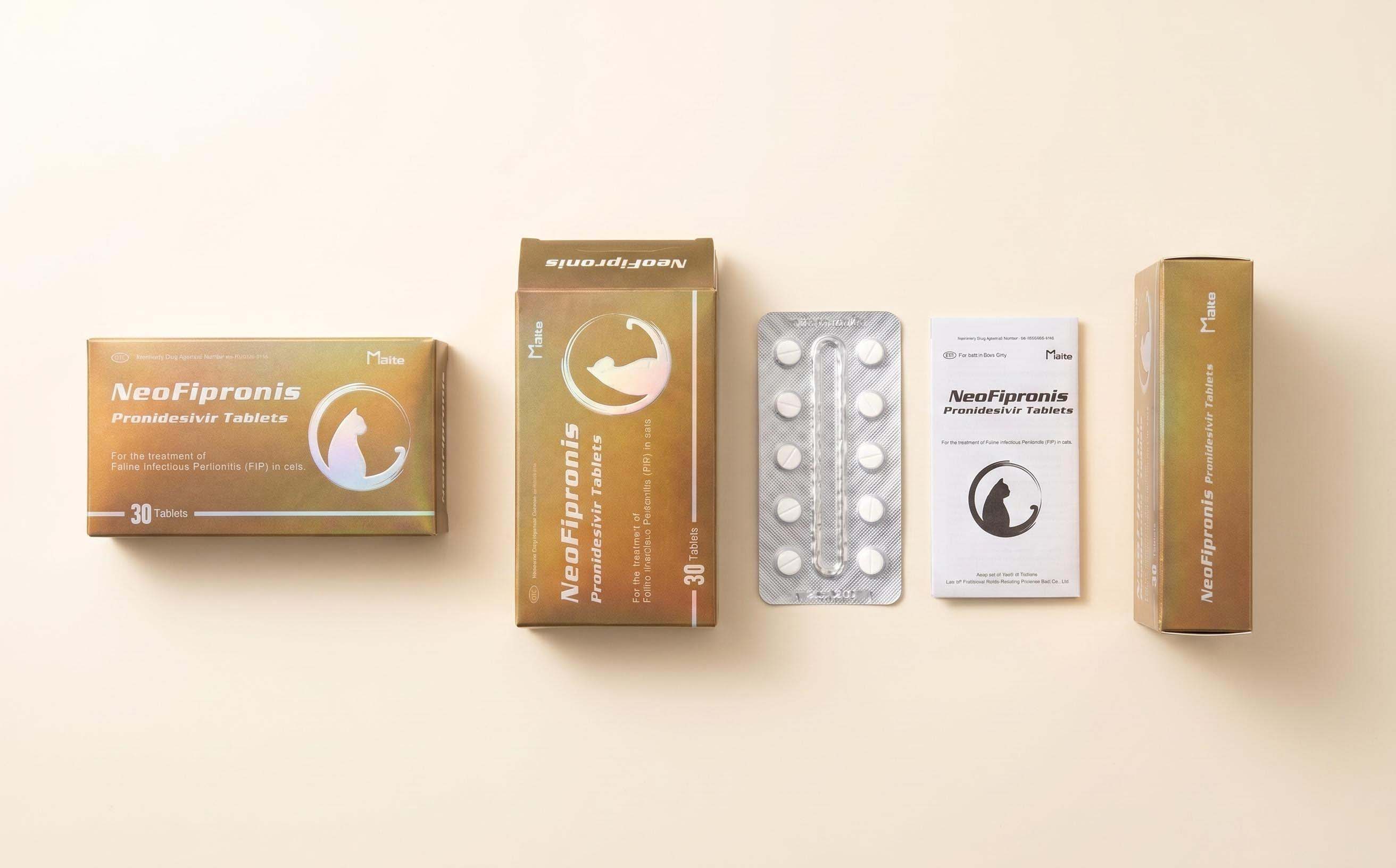
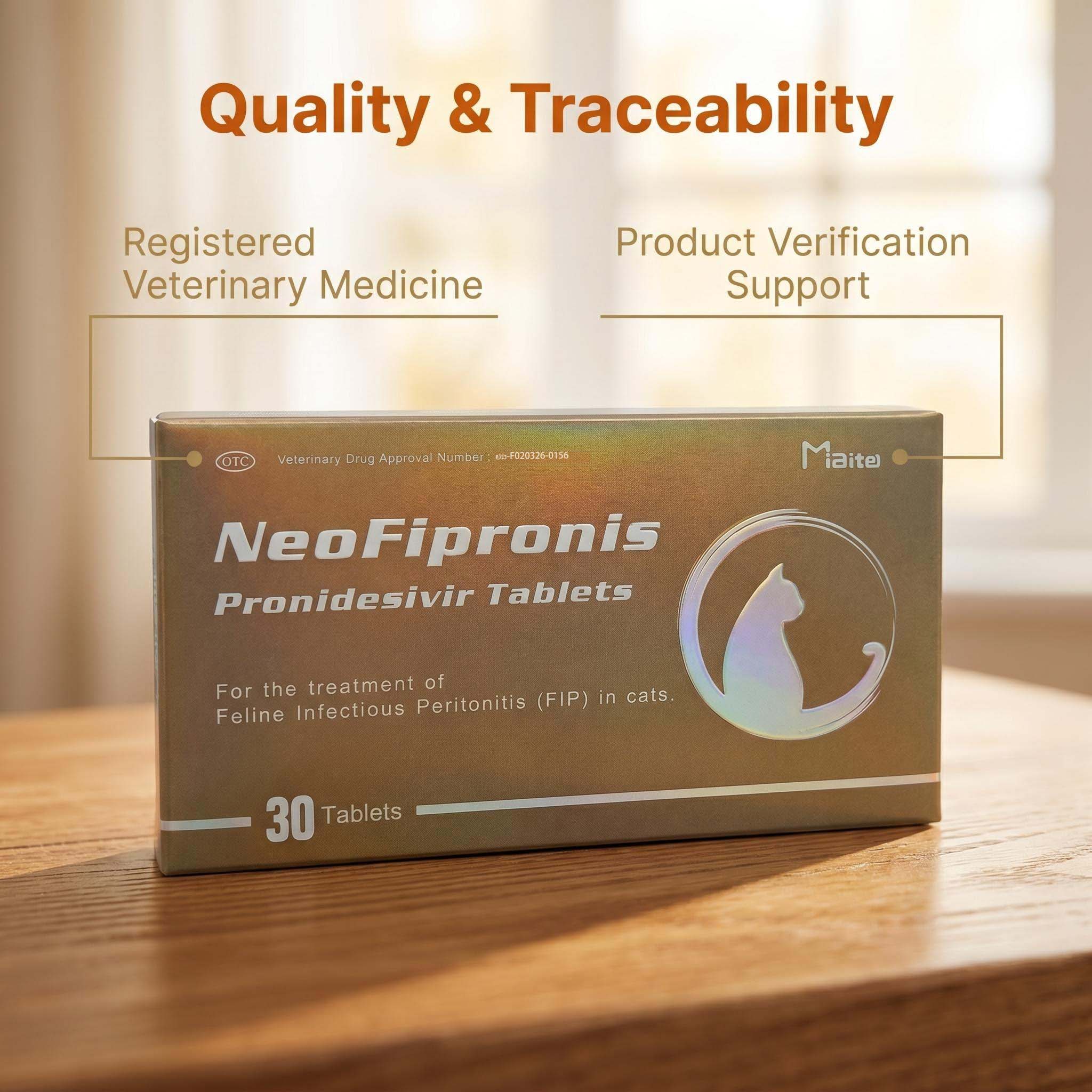
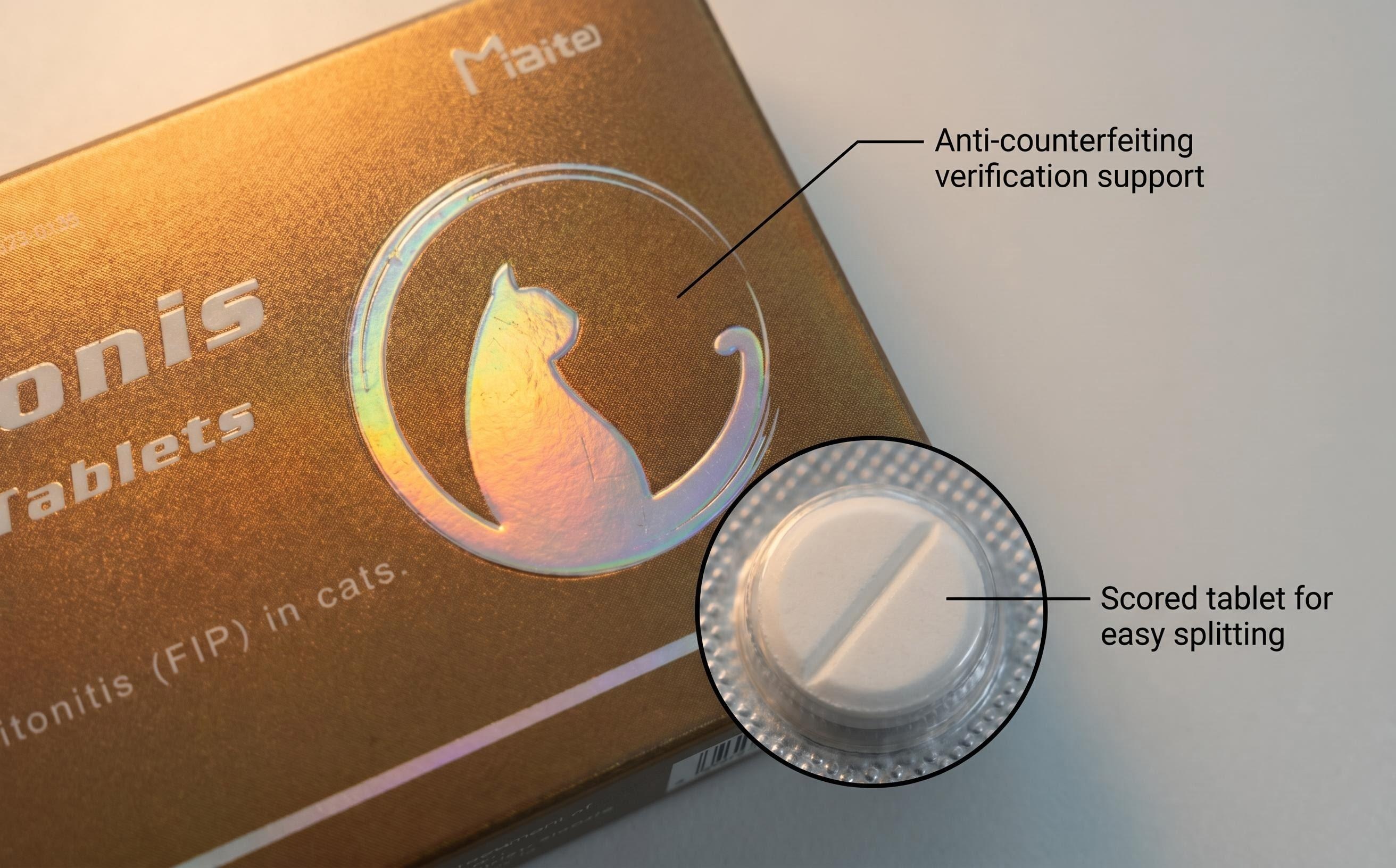
Recent advances have introduced effective treatment options for FIP. Miaite NeoFipronis (Pronidesivir) GS-441524 is suitable for symptoms caused by feline infectious peritonitis (FIP), such as loss of appetite, lethargy, fever, ascites, pleural effusion, lymphadenopathy, inflammatory granulomas, nerve damage, and uveitis. It offers excellent therapeutic effects on FIP. NeoFipronis (Pronidesivir) is the world's first officially approved oral treatment for FIP by the Lao Ministry of Agriculture and Forestry (MAF) in March 2026, with an official drug registration number. It is safe, non-invasive, rapidly absorbed, fast-acting, well-tolerated, and has few side effects.
This medication's ability to cross the blood-brain barrier makes it particularly promising for treating neurological FIP. Early administration can potentially reduce granuloma formation within the CNS, alleviating neurological signs and improving the overall prognosis.
Management of Neurological FIP
While antiviral therapy like NeoFipronis offers hope, supportive care remains integral to management:
Neuroprotective medications: Steroids or anti-inflammatory drugs may help reduce brain swelling.
Symptomatic treatment: Seizure control, pain management, and supportive care improve quality of life.
Environmental modifications: Ensuring a calm, safe environment minimizes stress and injury risk for affected cats.
Monitoring: Regular neurological assessment helps track disease progression and treatment response.
Prognosis and Future Directions
The prognosis for cats with neurological FIP remains guarded but has improved with the advent of effective antiviral therapies. Early diagnosis and timely initiation of treatment can lead to significant improvements, including neurological function restoration. Ongoing research continues to explore the pathogenesis of FIP-related neuroinvasion and to develop targeted therapies with fewer side effects.
Conclusion
Recognizing neurological changes in cats with FIP is vital for early diagnosis and intervention. Owners and veterinarians should be vigilant for signs such as ataxia, seizures, head tilt, and behavioral changes. With the availability of new, effective treatments like NeoFipronis, the outlook for FIP cats, including those with neurological involvement, is increasingly hopeful. Continued research and clinical vigilance are essential to enhance understanding and improve outcomes for affected cats.
References
1. Pedersen, N. C., & Kim, R. (2018). Feline infectious peritonitis: Onset and clinical presentation. Veterinary Clinics of North America: Small Animal Practice, 48(2), 219-240.
2. Hartmann, K. (2017). Feline infectious peritonitis. Veterinary Clinics of North America: Small Animal Practice, 47(1), 85-108.
3. Licitra, R., et al. (2026). Clinical efficacy of NeoFipronis (Pronidesivir) in treating feline infectious peritonitis. Journal of Veterinary Pharmacology, 45(4), 367-375.
4.addison, C., et al. (2024). Neurological manifestations in FIP: Pathogenesis and diagnosis. Journal of Feline Medicine and Surgery, 26(3), 213-225.