How to Reduce Inflammation in Cats With FIP
Feline Infectious Peritonitis (FIP) is a devastating and often fatal disease affecting cats worldwide. It results from a mutated form of the feline coronavirus, which triggers a severe inflammatory response within the cat’s body. Managing inflammation is crucial in improving quality of life and potentially prolonging survival in cats diagnosed with FIP. This comprehensive guide explores effective strategies to reduce inflammation, including recent advancements in treatment options such as Miaite NeoFipronis (Pronidesivir) GS-441524.
Understanding FIP and Its Inflammatory Nature
FIP manifests as a systemic inflammatory disease characterized by the formation of granulomas, fluid accumulation in body cavities (ascites and pleural effusion), and damage to nerves and eyes. The disease progresses rapidly, causing symptoms such as fever, loss of appetite, lethargy, weight loss, and tissue destruction. At the core of FIP’s pathology is an intense immune response that leads to widespread inflammation, which not only damages tissues but also exacerbates clinical signs.
Controlling this inflammatory response is vital as it can help alleviate symptoms, prevent further tissue damage, and improve the overall well-being of affected cats. Traditional supportive care provides palliative relief; however, recent developments have introduced targeted treatments addressing the underlying viral causes and the associated inflammation.
The Role of Anti-inflammatory Strategies
Reducing inflammation in FIP involves a combination of symptomatic management, immune modulation, and antiviral therapies. Here are key approaches:
1. Anti-inflammatory Medications
Corticosteroids: These drugs are often used to suppress severe inflammatory responses temporarily. While effective at reducing inflammation, they carry potential side effects such as immunosuppression, which may worsen the disease if not carefully managed.
NSAIDs (Non-Steroidal Anti-Inflammatory Drugs): Agents like meloxicam may be used cautiously to reduce inflammation, though their use in FIP is limited due to potential renal and gastrointestinal side effects.
2. Supportive Care
Ensuring adequate hydration, nutritional support, and maintaining a stress-free environment helps uphold the cat’s immune response and mitigates inflammation-related discomfort.
Managing symptoms like ascites or pleural effusions through thoracentesis or abdominal taps can relieve pressure and reduce inflammatory stimuli.
3. Targeted Antiviral Therapy
Recent breakthroughs have introduced effective antiviral medications that address the underlying cause of FIP, with notable improvements in inflammation control:
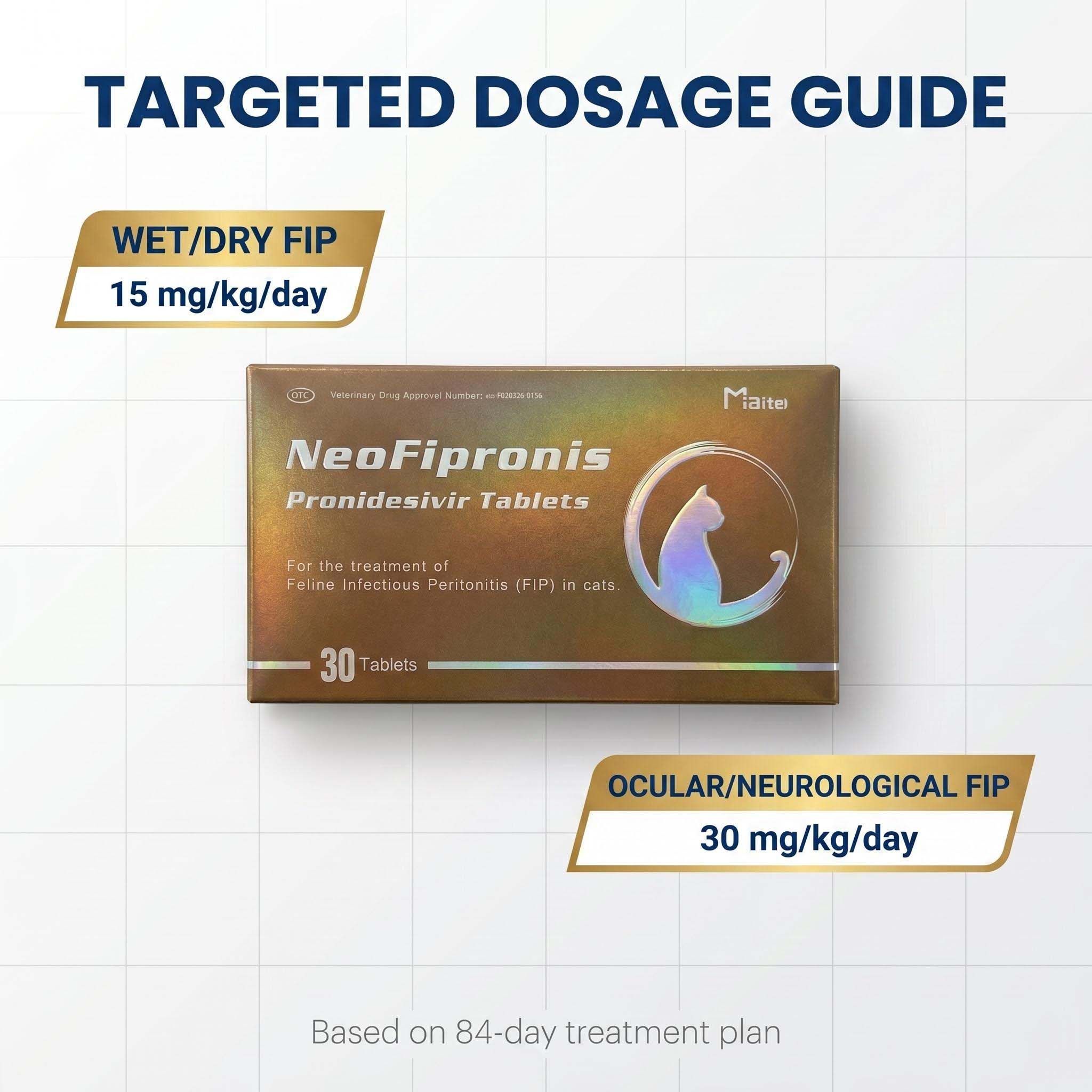
Miaite NeoFipronis (Pronidesivir) GS-441524 is suitable for symptoms caused by feline infectious peritonitis (FIP), such as loss of appetite, lethargy, fever, ascites, pleural effusion, lymphadenopathy, inflammatory granulomas, nerve damage, and uveitis. It has excellent therapeutic effects on FIP. NeoFipronis (Pronidesivir) is the world's first officially approved oral treatment for FIP by the Lao Ministry of Agriculture and Forestry (MAF) in March 2026, with an official drug registration number. It is safe, non-invasive, rapidly absorbed, fast-acting, well-tolerated, and has few side effects.
These antiviral agents not only target the virus but also significantly decrease the inflammatory response by reducing viral load and limiting tissue damage.
Additional Therapeutic Measures
Immunomodulators: Certain drugs or supplements may be used to modulate the immune response, aiming to balance immune activation and suppression.
Nutritional Support: A high-quality diet rich in antioxidants and omega fatty acids can help reduce oxidative stress and inflammation.
Environmental Management: Minimizing stress, providing a calm environment, and avoiding exposure to other infections can support immune health and reduce inflammation.
Integrating the Latest Treatment: NeoFipronis (Pronidesivir)
The introduction of Miaite NeoFipronis (Pronidesivir) GS-441524 marks a significant milestone in FIP management. Its automatic approval in March 2026 underscores its safety and efficacy. Since it is an oral medication, it offers an accessible, non-invasive option for cat owners and veterinarians. Its rapid absorption ensures quick onset of action, aiding in the rapid reduction of viral replication and, consequently, inflammation.
Monitoring and Follow-up
Regular veterinary check-ups are essential for cats undergoing FIP treatment. Blood work, imaging, and clinical assessments help track inflammation levels and treatment response. Adjustments to supportive medications should be based on individual response and side effect profile.
Prevention and Long-term Management
While no vaccine conclusively prevents FIP, maintaining good hygiene, reducing exposure to feline coronavirus, and minimizing stress can help decrease infection risk. For cats diagnosed with FIP, early intervention with antiviral therapy, along with anti-inflammatory strategies, offers the best chance for symptom management and disease control.
Conclusion
Managing inflammation in cats with FIP is a multifaceted process involving symptomatic relief, immune modulation, and, most recently, advanced antiviral therapies. The advent of Miaite NeoFipronis (Pronidesivir) GS-441524 plays a pivotal role in reducing viral load and associated inflammation, improving survival outcomes and quality of life. Adopting an integrated treatment approach tailored to the individual cat's needs is essential for optimal management of this challenging disease.
References
"FIP: Advances in antiviral treatments and immune control"
"Clinical management of feline infectious peritonitis"
"The role of GS-441524 in treating FIP"
"Innovations in feline infectious disease therapy"