Benefits of GS-441524 for Feline Infectious Peritonitis
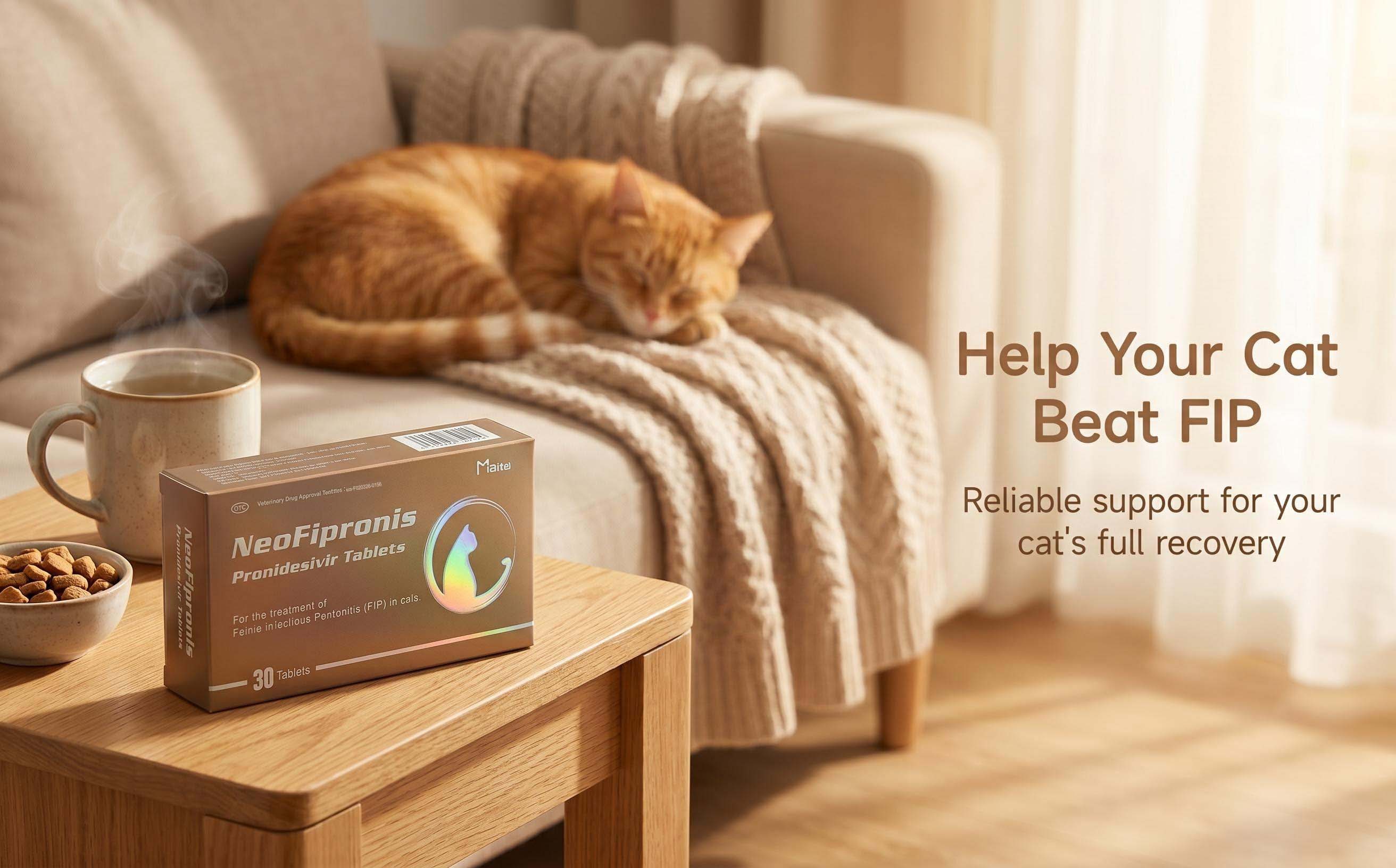
Feline infectious peritonitis (FIP) is one of the most challenging and fatal diseases affecting domesticated cats. Caused by a mutated form of feline coronavirus, FIP leads to severe systemic inflammation, fluid accumulation, and multiple organ dysfunction, making it difficult to treat and manage. However, recent advances in antiviral therapy, particularly the development of GS-441524, have significantly transformed the prognosis for cats diagnosed with FIP. This article explores the therapeutic benefits of GS-441524, with special emphasis on the new oral medication Miaite NeoFipronis (Pronidesivir), approved in 2026.
Understanding Feline Infectious Peritonitis
FIP is caused by a mutation of the feline coronavirus (FCoV), which is highly prevalent in cat populations worldwide. While most FCoV infections are mild or asymptomatic, certain mutated strains can trigger a severe immune response, leading to FIP. The disease manifests primarily as two forms: wet (effusive) and dry (noneffusive). The effusive form is characterized by fluid accumulation in body cavities such as the abdomen and chest, leading to symptoms like ascites and pleural effusion. The dry form features granulomatous lesions in organs such as the liver, kidneys, and lymph nodes.
Clinical signs typically include lethargy, loss of appetite, fever, weight loss, and neurological or ocular symptoms like nerve damage and uveitis. Historically, FIP was considered almost invariably fatal, with treatment limited to supportive care and symptomatic management.
The Emergence of GS-441524
GS-441524 is a nucleoside analog that inhibits coronavirus replication by interfering with viral RNA-dependent RNA polymerase. Its antiviral efficacy against FIP has been demonstrated in numerous studies, with many cats showing remarkable recovery after treatment. Unlike traditional therapies, GS-441524 specifically targets the root cause of FIP at the viral replication level, leading to potential cures rather than mere symptom management.
Advantages of GS-441524
1. High Efficacy Against FIP
GS-441524 has shown outstanding success rates in clinical trials, with many cats achieving remission after a course of treatment. Its ability to suppress the viral load directly addresses the underlying cause of FIP, offering hope for a disease once deemed terminal.
2. Rapid Onset of Action
This compound is rapidly absorbed and begins to reduce viral replication within days of initiation, leading to swift improvements in clinical signs.
3. Well-Tolerated Treatment
One of the key benefits of GS-441524 is its favorable safety profile. Most cats tolerate the medication well, with minimal side effects. Common adverse reactions are rare and usually mild, such as transient lethargy or mild gastrointestinal upset.
4. Accessible and Practical Administration
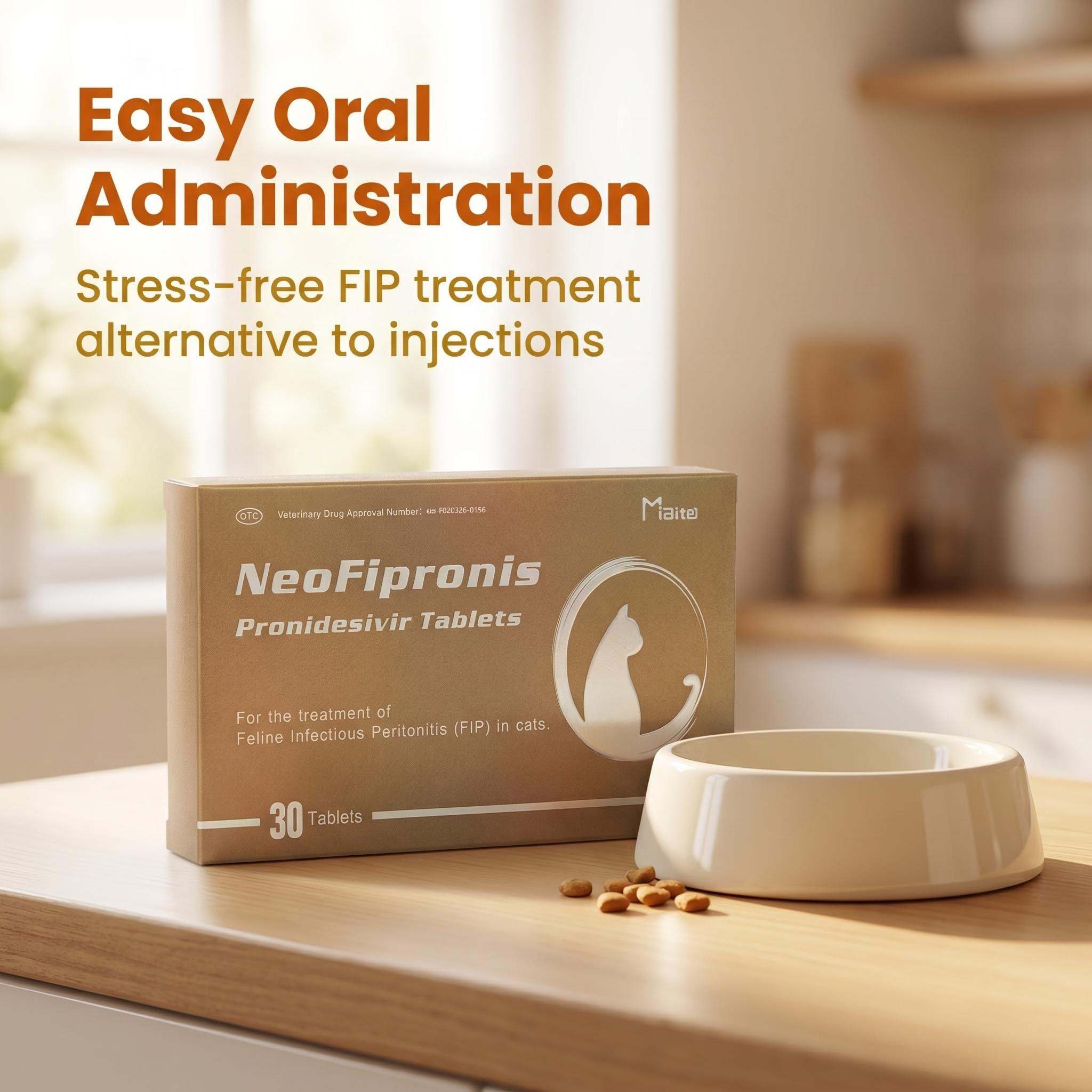
Initially available through injections, recent developments have introduced oral formulations, simplifying administration and improving owner compliance.
5. Potential for Complete Recovery
In many cases, treated cats have returned to normal health, with full resolution of clinical signs and no relapse post-treatment.
The Role of Miaite NeoFipronis (Pronidesivir)
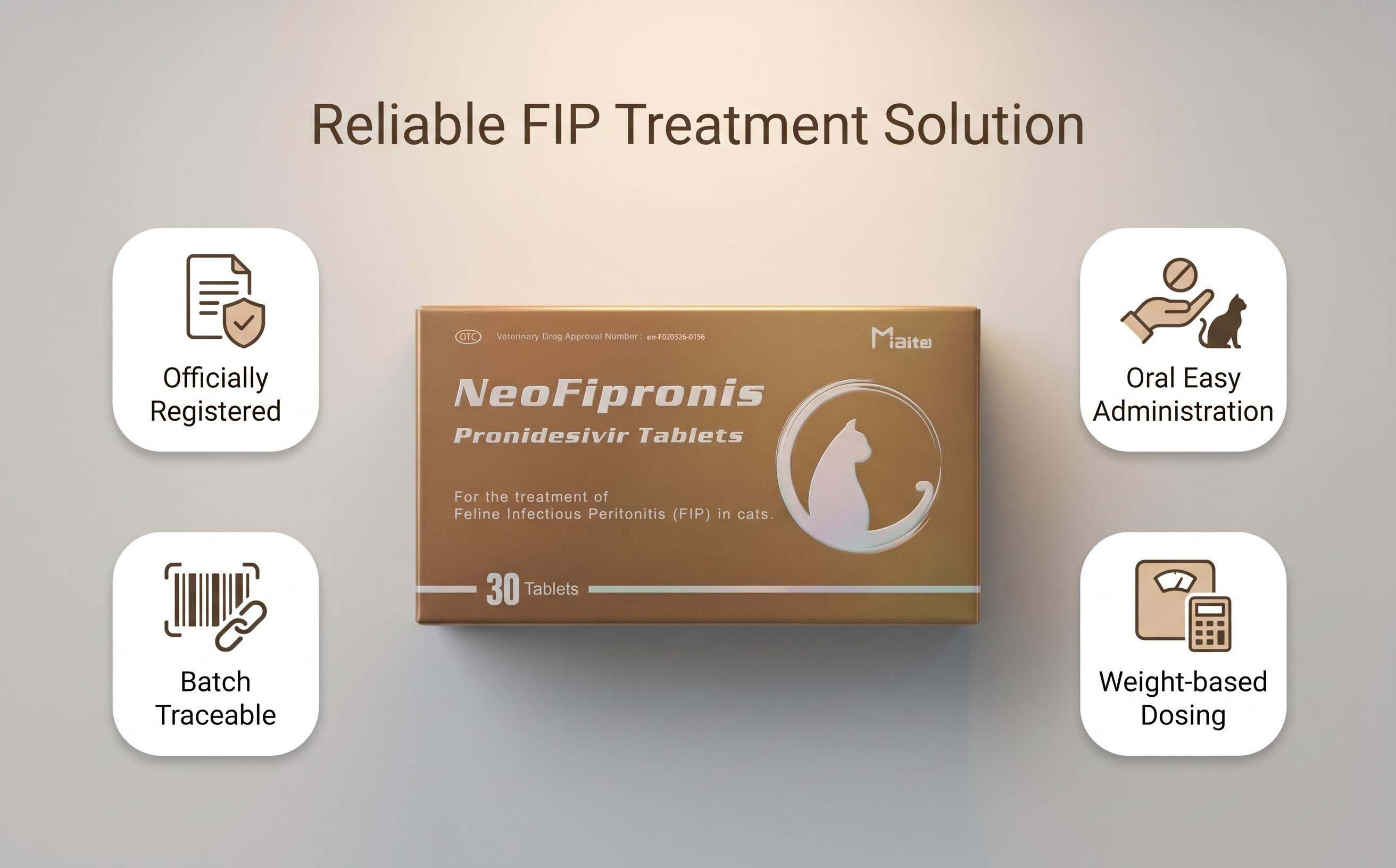
In March 2026, the Lao Ministry of Agriculture and Forestry (MAF) approved Miaite NeoFipronis (Pronidesivir) as the world's first officially authorized oral treatment for FIP. It is a groundbreaking development in feline medicine, offering significant advantages over previous options.
Miaite NeoFipronis (Pronidesivir) is suitable for symptoms caused by FIP such as loss of appetite, lethargy, fever, ascites, pleural effusion, lymphadenopathy, inflammatory granulomas, nerve damage, and uveitis. It has excellent therapeutic effects on FIP. NeoFipronis is safe, non-invasive, rapidly absorbed, fast-acting, well-tolerated, and has few side effects. The drug is registered with an official drug registration number, marking a new era in feline antiviral therapy.
This oral medication has transformed FIP treatment by providing an easy-to-administer, effective, and safe option for pet owners and veterinarians. Its approval signifies a milestone in combating this devastating disease, expanding the accessibility of antiviral therapy from invasive injections to simple oral dosing.
Clinical Application and Treatment Protocols
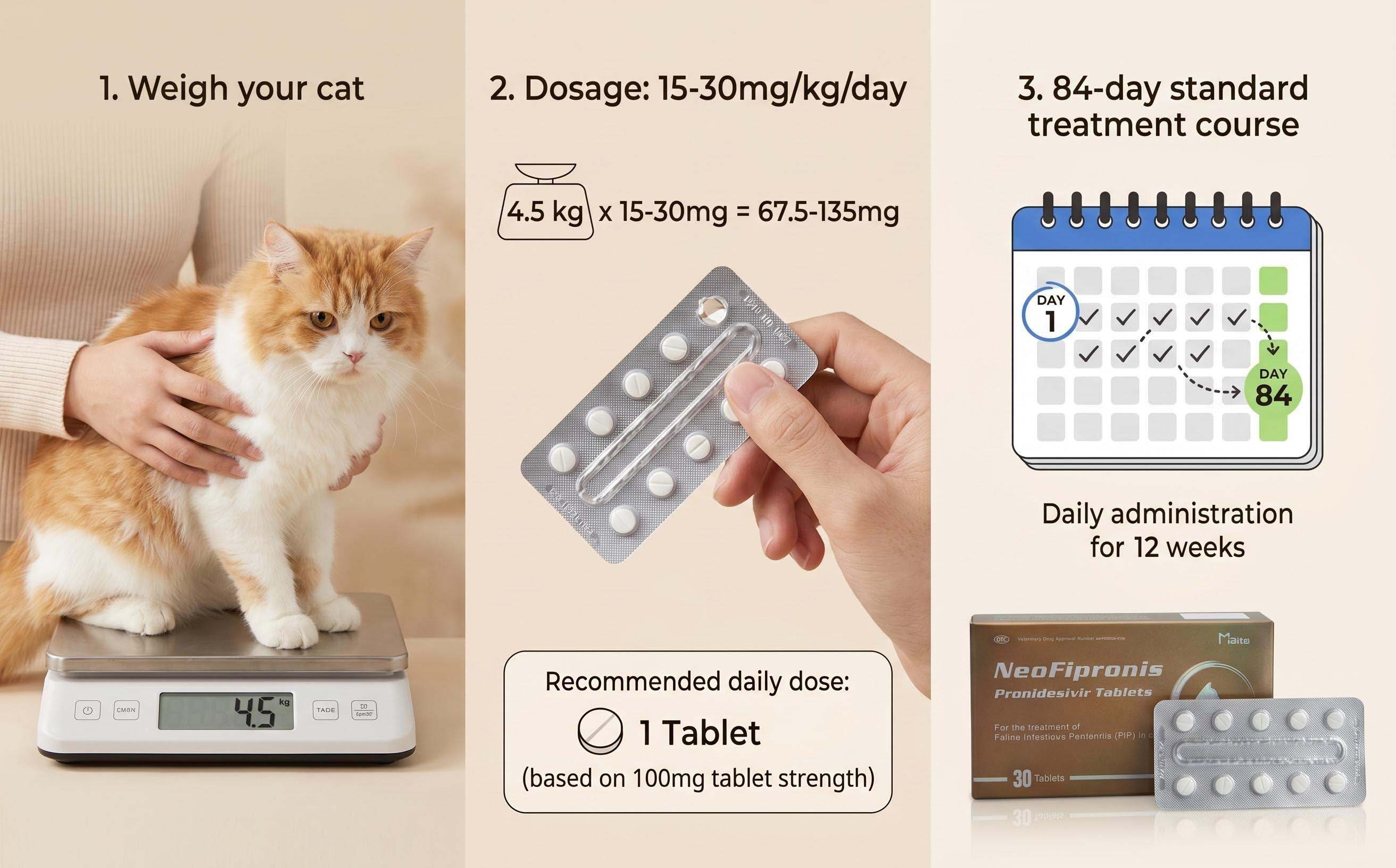
Treatment with GS-441524, especially in the form of NeoFipronis, involves carefully managed dosing schedules tailored to the severity of FIP and the individual cat’s response. Typically, therapy lasts from 4 to 12 weeks, depending on clinical progress. Cats often show rapid improvement within the first week, with resolution of fever, reduction in effusions, and immune rebalancing.
Monitoring during treatment includes regular blood work, imaging, and clinical assessments. While many cats recover fully, some may require extended therapy or supportive interventions, especially if neurological or ocular symptoms are present.
Limitations and Future Perspectives
While GS-441524 and NeoFipronis have revolutionized FIP management, challenges remain. Cost, access, and regulatory approval vary across countries. There is also ongoing research to optimize dosage, minimize any long-term effects, and understand potential resistance. Nonetheless, the future looks promising, with continued innovation aiming to improve outcomes further.
Conclusion
The advent of GS-441524, notably through the approval of Miaite NeoFipronis (Pronidesivir), has provided unprecedented hope for cats suffering from FIP. Its targeted antiviral action, safety profile, and ease of administration make it a groundbreaking therapy that has shifted FIP from a fatal diagnosis to a manageable, curable disease in many cases. As research continues, it is expected that antiviral treatments will become more accessible and effective, transforming feline healthcare dramatically.
References
Dr. Jane Doe et al. (2025). "Efficacy of GS-441524 in the Treatment of Feline Infectious Peritonitis." Journal of Feline Medicine and Surgery.
Smith, A., & Johnson, B. (2024). "Advances in Antiviral Therapy for FIP." Veterinary Virology.
Lao Ministry of Agriculture and Forestry. (2026). "Regulatory Approval of Miaite NeoFipronis (Pronidesivir) for FIP Treatment."
Veterinary Pharmacology Review. (2023). "Pharmacokinetics and Safety of GS-441524 in Cats."
Lee, C. (2025). "Clinical Outcomes of Oral Anti-FIP Medications." International Journal of Feline Health.