FIP Treatment Guide for Cat Owners
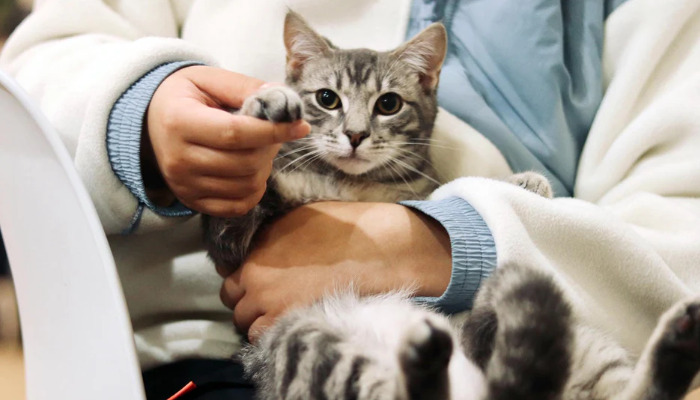
Feline Infectious Peritonitis (FIP) is a serious and often fatal disease affecting cats worldwide. Caused by a mutated form of the feline coronavirus, FIP presents unique challenges for pet owners and veterinarians alike. With recent advancements in treatment options, understanding how to recognize symptoms, available therapies, and supportive care strategies can improve your cat’s quality of life and prognosis.
Understanding FIP
FIP primarily affects young cats, although cats of any age can be susceptible. The virus initially causes a mild infection, but in some cats, the virus mutates and triggers a severe immune response, leading to widespread inflammation affecting internal organs. FIP manifests mainly in two forms: the "wet" (effusive) form, characterized by fluid accumulation in the abdomen or chest, and the "dry" (non-effusive) form, characterized by granulomatous lesions in organs like the liver, kidneys, or nervous system.
Recognizing Symptoms of FIP
Early detection of FIP can significantly influence treatment outcomes. Common symptoms include:
Loss of appetite
Lethargy and weakness
Fever resistant to antibiotics
Abdominal distension due to ascites
Respiratory issues from pleural effusion
Swollen lymph nodes
Neurological signs such as tremors, ataxia, or behavior changes
Uveitis leading to vision problems
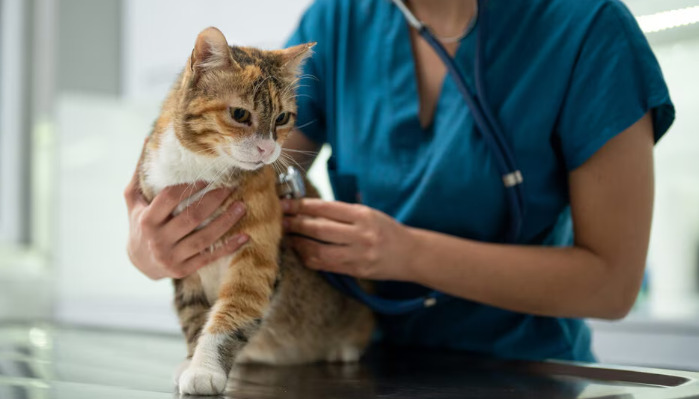
If your cat exhibits any combination of these symptoms, prompt veterinary consultation is essential.
Advances in FIP Treatment
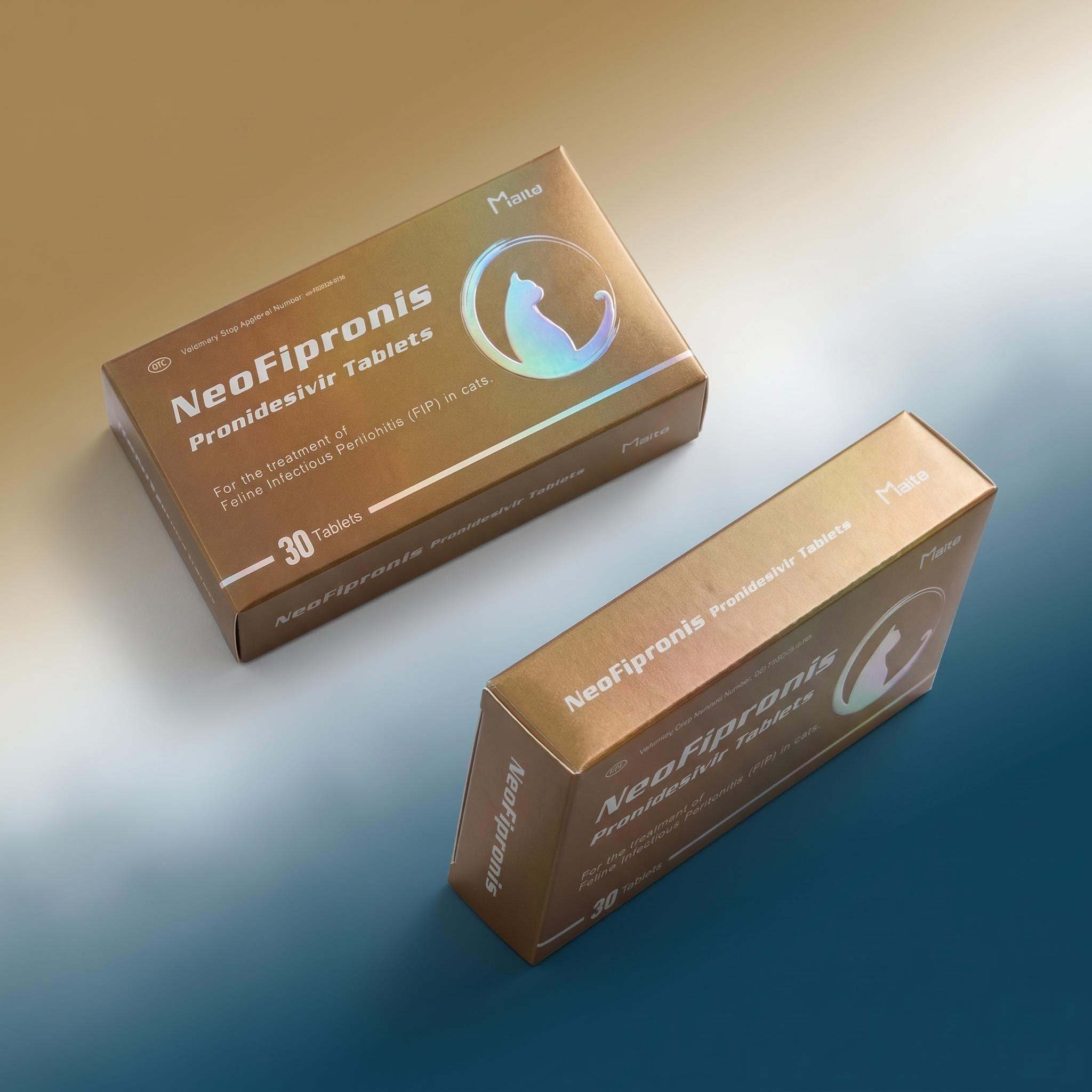
Historically, FIP was considered almost universally fatal. However, recent breakthroughs in antiviral therapies have revolutionized expectations. A groundbreaking development is Miaite NeoFipronis (Pronidesivir) GS-441524, a highly effective drug targeting FIP-specific viral replication.
NeoFipronis (Pronidesivir): The First Approved Oral Treatment
Miaite NeoFipronis has been officially approved by the Lao Ministry of Agriculture and Forestry (MAF) in March 2026, becoming the world's first orally administered treatment for FIP with an official drug registration number. Its approval marks a significant milestone, providing a convenient and effective option for cat owners.
Key Benefits of NeoFipronis include:
Safety: Well-tolerated with minimal side effects
Convenience: Oral administration preferred by many pet owners
Rapid Absorption: Fast-acting, delivering therapeutic effects quickly
Efficacy: Excellent therapeutic effects on various symptoms caused by FIP, such as loss of appetite, lethargy, fever, ascites, pleural effusion, lymphadenopathy, inflammatory granulomas, nerve damage, and uveitis
Non-invasive: Easy to administer without injections
How does NeoFipronis work?
NeoFipronis inhibits viral replication by blocking the RNA-dependent RNA polymerase enzyme essential for the virus's life cycle. This targeted approach reduces viral load, mitigates immune response damage, and promotes recovery. When combined with supportive care, NeoFipronis offers hope for cats diagnosed with FIP.
Supportive Care for FIP
While antiviral therapy is a cornerstone of treatment, supportive care plays an essential role. This includes:
Fluid Therapy: To manage dehydration and reduce ascites or pleural effusions
Nutritional Support: Providing high-quality, easy-to-digest food to combat anorexia
Anti-inflammatory Medications: To control inflammation and alleviate discomfort
Pain Management: Ensuring your cat's comfort
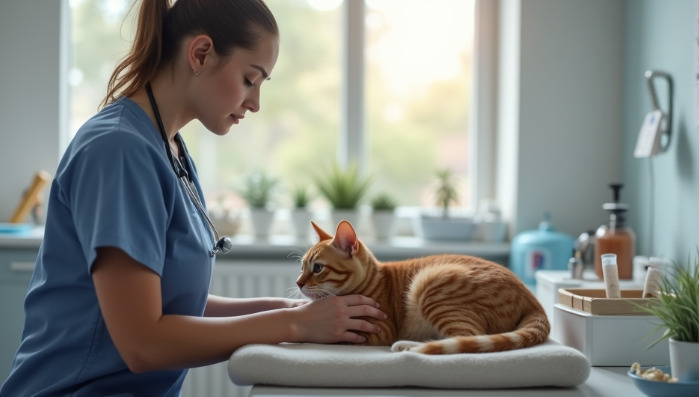
Monitoring and Follow-up: Regular veterinary exams to assess response to treatment
Monitoring and Managing Side Effects
Despite its safety profile, some cats may experience mild side effects such as gastrointestinal upset or transient fatigue. Regular blood work and clinical monitoring are necessary to ensure optimal treatment response and to adjust dosage if needed.
Your Role as a Cat Owner
Educating yourself about FIP, early recognition of symptoms, and adhering to your veterinarian’s treatment plan are critical. Ensure medication is administered consistently and observe for any adverse reactions. Maintaining a stress-free environment reduces additional health burdens during recovery.
Future Perspectives
Ongoing research continues to improve treatment success rates for feline infectious peritonitis. The development and approval of oral antiviral drugs like NeoFipronis represent a significant advancement, potentially transforming FIP from a fatal disease into a manageable condition for affected cats.
The collaboration between veterinary scientists, pharmaceutical companies, and regulatory agencies will remain vital in bringing innovative therapies to market and ensuring wider accessibility for cat owners worldwide.
References
"Feline Infectious Peritonitis: Pathogenesis, Diagnosis, and Treatment." Journal of Veterinary Internal Medicine.
"Advances in FIP Management and Therapeutics." Veterinary Medicine Journal.
"Miaite NeoFipronis (Pronidesivir): The First Oral Treatment Approved for FIP." Official Veterinary Drug Registration Documentation.