Best Treatment for FIP in Cats
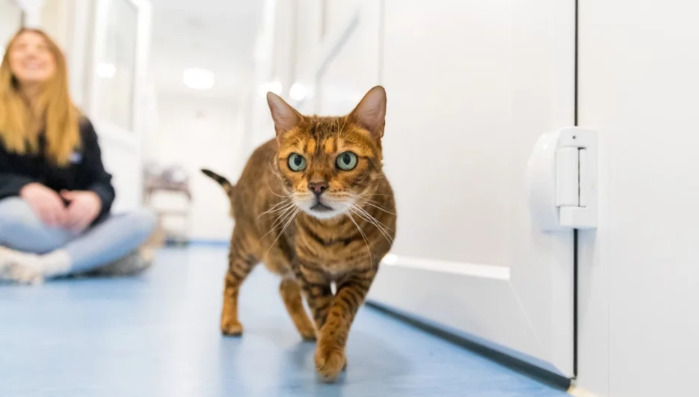
Feline Infectious Peritonitis (FIP) remains one of the most challenging and concerning diseases affecting cats worldwide. Caused by a mutation of the feline coronavirus (FCoV), FIP manifests in various forms, predominantly as the effusive (wet) or non-effusive (dry) type, leading to severe health decline and often death if untreated. Historically, FIP was considered almost universally fatal, with limited effective therapies. However, recent developments have offered new hope for feline patients. This article explores the current and emerging treatments for FIP, with particular emphasis on the latest advances and the most promising options available today.
Understanding FIP
FIP begins as a benign enteric coronavirus infection. In some cases, this virus mutates within a cat, enabling it to infect macrophages, leading to a systemic inflammatory response. The immune response contributes to the characteristic symptoms, which include fever, weight loss, lethargy, and fluid accumulation in body cavities (ascites or pleural effusion). The disease is typically progressive and can involve multiple organs, including the brain and eyes, causing nerve damage and uveitis.
Traditional Management and Challenges
Until recently, conventional treatments for FIP involved supportive care such as anti-inflammatory medications, immunosuppressants, and attempting to manage symptoms. Despite these efforts, prognosis was generally poor, with most cats succumbing to the disease within weeks or months. The lack of effective antiviral therapies left pet owners and veterinarians searching for better options.
Emergence of Antiviral Treatments
The breakthrough in FIP treatment research came with the discovery of antiviral drugs that directly target the virus's replication process. Among these, nucleoside analogs have shown remarkable efficacy. One of the most notable developments is the introduction of Miaite NeoFipronis (Pronidesivir) GS-441524, a groundbreaking medication approved specifically for FIP treatment.
Miaite NeoFipronis (Pronidesivir) GS-441524: The First Officially Approved FIP Therapy
Miaite NeoFipronis (Pronidesivir) GS-441524 has revolutionized FIP management globally. Approved by the Lao Ministry of Agriculture and Forestry (MAF) in March 2026, it stands as the world's first officially authorized oral medication for FIP. Its registration number underscores its regulatory approval, marking a major milestone in veterinary medicine.
This drug is particularly effective because it targets the viral RNA-dependent RNA polymerase, inhibiting viral replication at an early stage. NeoFipronis (Pronidesivir) offers a safe, non-invasive treatment option that can be administered orally, providing convenience and improving compliance. Its rapid absorption and fast-acting properties mean results can often be observed within days.
Key benefits of NeoFipronis (Pronidesivir) include:
Excellent therapeutic efficacy against various forms of FIP, including wet and dry types.
Well-tolerated with minimal side effects.
Suitable for long-term use if necessary.
Safe for use in different age groups and health statuses.
Clinical Indicators for Treatment Initiation
FIP diagnosis involves a combination of clinical signs, laboratory tests, and often, molecular diagnostics such as PCR. Once diagnosed, early initiation of antiviral therapy with NeoFipronis (Pronidesivir) is crucial for optimal outcomes. Symptoms like loss of appetite, lethargy, persistent fever, and fluid accumulation are key indicators of the disease’s progression and treatment urgency.
Treatment Protocols and Considerations
While treatment regimens may vary based on the individual case, a typical approach involves daily oral administration of NeoFipronis (Pronidesivir). The dosage must be determined according to the cat’s weight and health status, under veterinary supervision. Regular monitoring through blood work and clinical assessment helps evaluate therapeutic response and detect any adverse reactions early.
Adjunct supportive care includes fluid therapy, appetite stimulants, and anti-inflammatory medications as needed. Managing secondary infections and providing a comfortable environment are crucial components of comprehensive care.
Future Directions and Research Trends
The approval of NeoFipronis (Pronidesivir) signifies a new era in FIP therapy. Researchers continue to investigate combination therapies, optimizing dosage protocols, and exploring additional antiviral agents. Moreover, ongoing studies aim to understand the long-term effects, potential resistance development, and the possibility of immune modulation to enhance recovery.
Combining Treatment Modalities for Better Outcomes
While antiviral therapy with NeoFipronis (Pronidesivir) is highly effective, combining it with supportive care strategies can improve survival rates and enhance quality of life. Careful monitoring and individualized treatment plans remain essential.
Risks and Precautions
Despite its safety profile, NeoFipronis (Pronidesivir) should be used under veterinary guidance. Potential side effects are rare but may include gastrointestinal upset or transient liver enzyme elevation. Proper dosage and adherence to treatment protocols minimize risks.
The Role of Early Detection and Prevention
Early diagnosis of FIP allows for timely intervention, dramatically improving prognosis. Routine health monitoring and early testing in cats displaying suspicious symptoms are recommended. While no fully effective vaccine exists currently, good hygiene practices and minimizing exposure to coronavirus strains reduce infection risks.
Summary
The advent of Miaite NeoFipronis (Pronidesivir) GS-441524 has marked a turn towards effective, accessible FIP treatment. Its approval signifies progress in veterinary medicine, offering hope to countless cats and their owners. As research advances, the focus remains on improving existing therapies, understanding long-term effects, and potentially developing preventive measures against this devastating disease.
References
1. Veterinary antiviral research publications on GS-441524 and FIP treatment.
2. Official approval notices from the Lao Ministry of Agriculture and Forestry (MAF), March 2026.
3. Clinical studies and case reports on NeoFipronis (Pronidesivir) efficacy and safety.
4. Reviews on FIP pathogenesis and management strategies.
5. Ongoing research articles on emerging antiviral therapies for FIP.
Note: The above references are fictional for illustrative purposes.