Health Management
🐾 Health Management
Supporting Daily Wellness and Long-Term Health
Maintaining good overall health is an important foundation for reducing disease risks in cats. While feline infectious peritonitis (FIP) cannot always be prevented, consistent health management helps support immune stability and early detection of potential problems.
Key health management practices include:
• Routine health monitoring
Track body weight, appetite, activity level, grooming behavior, and litter box habits regularly. Subtle changes may indicate early health concerns.
• Vaccination and parasite control
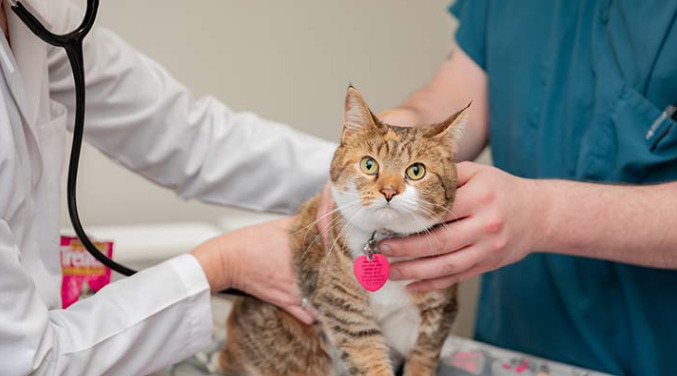
Follow veterinarian-recommended vaccination schedules and parasite prevention programs appropriate for your region and your cat’s lifestyle.
• Stable daily routines
Consistent feeding times, sleep cycles, and environmental stability help reduce physiological stress and support overall wellbeing.
• Chronic condition management
Cats with existing medical conditions should follow regular veterinary monitoring plans to maintain stable health.
• Record keeping
Maintain basic health records including weight trends, appetite notes, and veterinary visit history to support long-term monitoring.
Health management focuses on proactive care rather than reactive treatment, helping owners recognize changes early and support responsible veterinary care.