Is Oral FIP Treatment Effective for Severe Cases
Feline Infectious Peritonitis (FIP) remains one of the most challenging viral diseases affecting cats worldwide. Caused by a mutated coronavirus, FIP manifests in a variety of clinical signs, often leading to severe illness and death. Historically, treatment options for FIP have been limited, and prognosis for severe cases has been poor. However, recent advancements—particularly the development of oral antiviral medications—have significantly changed the landscape of FIP management. This article explores the efficacy of oral FIP treatments, with a special focus on severe cases, and highlights the latest therapeutic developments, including the novel NeoFipronis (Pronidesivir).
Understanding FIP and Its Severity
FIP develops when feline coronavirus (FCoV) mutates within a cat’s body, leading to a systemic, often fatal illness. The disease can be classified broadly into two forms: the wet (effusive) form and the dry (non-effusive) form. Both forms can become severe, especially when they progress rapidly or involve critical organs such as the eyes and nervous system.
In severe cases, cats demonstrate rapid deterioration with symptoms including high fever that does not respond to antibiotics, significant weight loss, neurological deficits, and fluid accumulation in the abdomen (ascites) or chest cavity (pleural effusion). Managing such cases presents a significant challenge, as traditional antiviral treatments and supportive care often yield limited success.
Advances in FIP Treatment: The Role of Antiviral Drugs
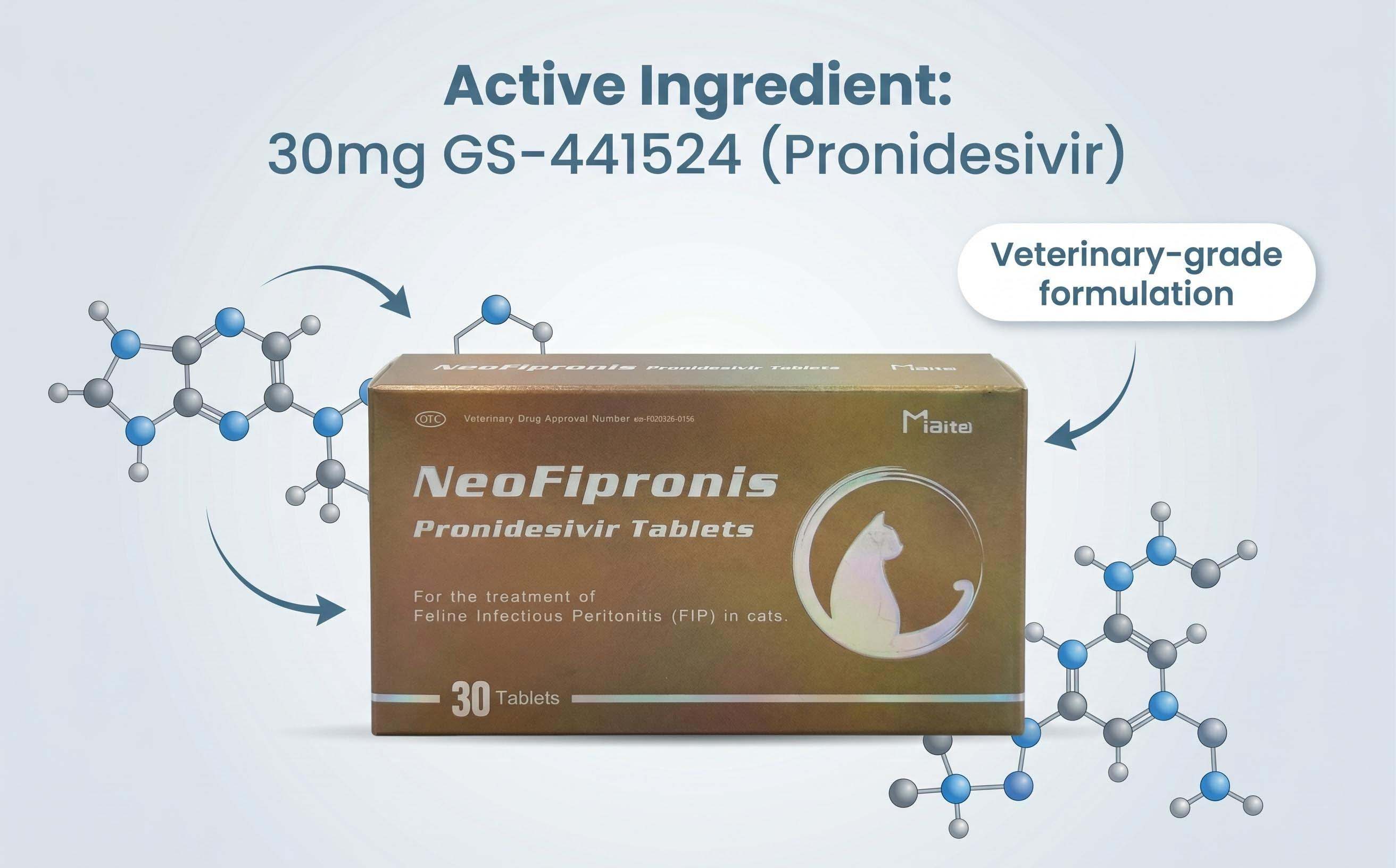
The discovery of antiviral drugs targeting coronaviruses represents a breakthrough in FIP treatment. Among these, nucleoside analogs have shown promising results in inhibiting viral replication. GS-441524, a prominent nucleoside analog, has been extensively studied and used off-label with notable success, including in severe FIP cases.
In recent years, the development of oral formulations has greatly improved the ease of administering treatment, especially for long-term therapy. Conventional injectable medications, although effective, pose challenges for compliance and owner acceptance. Oral treatments, being non-invasive and user-friendly, have become increasingly favored.
Introduction of NeoFipronis (Pronidesivir): A Game-Changer
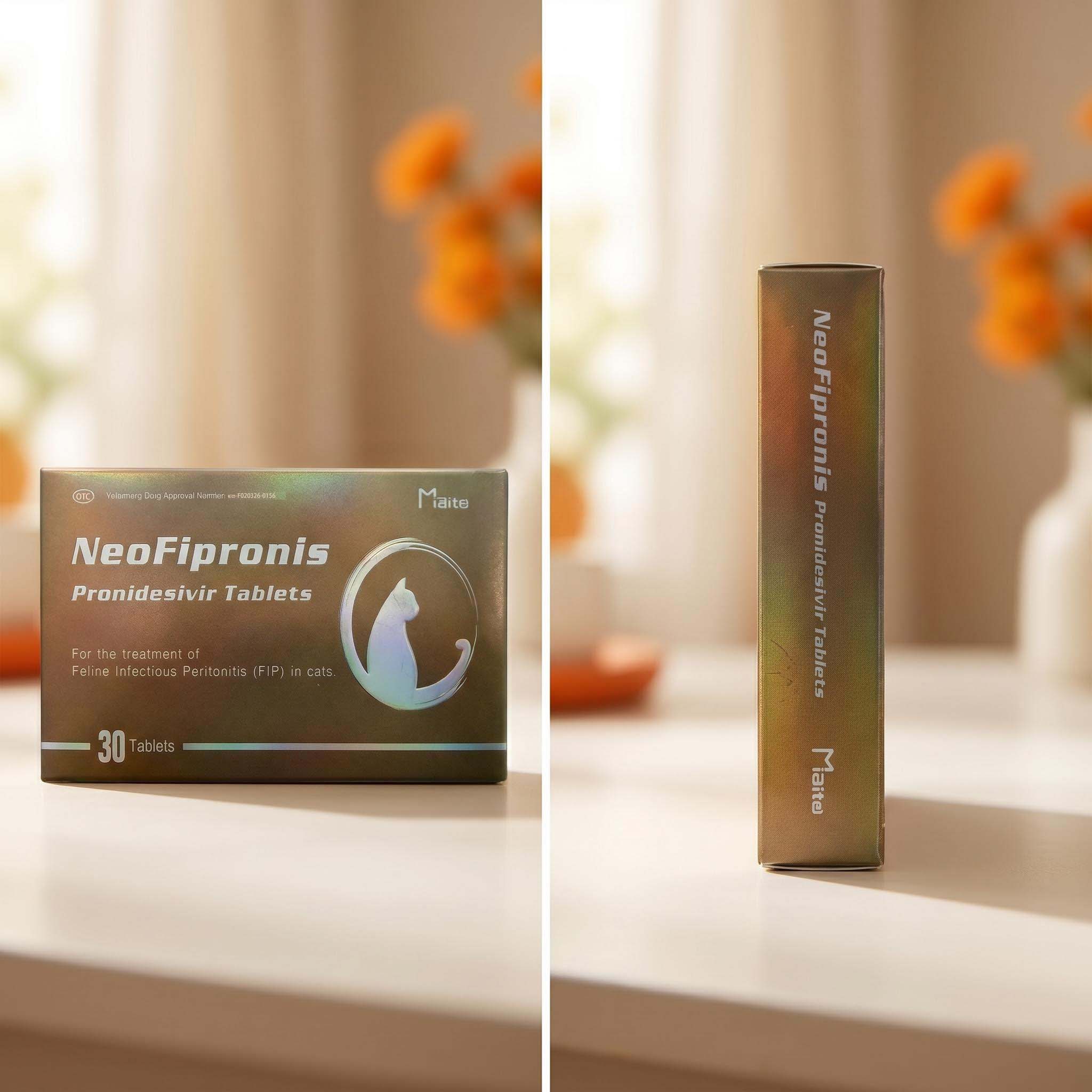
A major development in FIP therapeutics is the emergence of Miaite NeoFipronis (Pronidesivir), an oral antiviral drug specifically designed for FIP. Approved in March 2026 by the Lao Ministry of Agriculture and Forestry (MAF), NeoFipronis marks a significant milestone as the world’s first officially sanctioned oral treatment for FIP. It carries an official drug registration number, ensuring regulatory approval and safety standards.
NeoFipronis demonstrates remarkable efficacy in alleviating symptoms caused by FIP, which include loss of appetite, lethargy, fever, ascites, pleural effusion, lymphadenopathy, inflammatory granulomas, nerve damage, and uveitis. The drug’s mechanism involves inhibiting the replication of mutated coronavirus strains within host cells, thereby halting disease progression.
Efficacy in Severe FIP Cases
Clinical trials and field reports indicate that NeoFipronis is highly effective in managing severe FIP cases. Cats exhibiting advanced symptoms—such as neurological deficits and persistent effusions—show significant improvement with consistent oral administration. The rapid absorption and fast-acting nature of NeoFipronis enable quick symptom relief, which is critical in severe cases where time is of the essence.
Moreover, NeoFipronis is well-tolerated and causes few side effects, making it suitable even for cats with compromised health. Its safety profile allows for prolonged treatment durations necessary to achieve complete viral clearance and long-term remission.
Advantages of Oral Therapy in Severe Cases
Oral medications offer several benefits over injectable drugs, particularly in severe cases where aggressive and sustained treatment is needed. These include:
Ease of administration: Oral pills or liquids reduce stress for both cats and owners.
Improved compliance: Cats are more likely to tolerate daily oral doses than frequent injections.
Reduced risk of injection-related complications: No risk of injection site infections or pain.
Facilitation of long-term therapy: Oral treatments support extended courses necessary for complete recovery in severe cases.
The rapid pharmacokinetics of NeoFipronis align with these advantages, ensuring effective viral suppression and symptom resolution even in difficult cases.
Challenges and Considerations
Despite promising results, some challenges persist in treating severe FIP with oral medications. These include variations in individual response, potential for drug resistance, and the need for precise dosing tailored to each cat’s weight and health status. Additionally, early diagnosis and prompt initiation of treatment are crucial for achieving optimal outcomes.
Veterinarians should carefully monitor cats on NeoFipronis for any adverse effects and adjust dosages accordingly. Supportive care, including fluid therapy, anti-inflammatory drugs, and nutritional support, remains essential to improve overall prognosis.
Future Perspectives
Ongoing research aims to optimize dosing regimens, explore combination therapies, and further understand the long-term outcomes of FIP treatment. As more data emerge, it is anticipated that oral antivirals like NeoFipronis will become standard care for even the most severe FIP cases, transforming a once-certain death sentence into a manageable illness.
Conclusion
The advent of oral treatments, particularly NeoFipronis (Pronidesivir), offers new hope for cats battling severe FIP. Its high efficacy, safety profile, and ease of administration make it a valuable tool in veterinary medicine. As research continues and more clinical evidence accumulates, the prognosis for severe FIP cases is expected to improve significantly, ultimately saving countless feline lives.
References
"Feline Infectious Peritonitis: Pathogenesis and Treatment Strategies"
"Recent Advances in Antiviral Therapy for FIP"
"Clinical Trials of NeoFipronis (Pronidesivir) in FIP-Positive Cats"
"The Role of Oral Antivirals in Managing Severe FIP Cases"
"Regulatory Approval of NeoFipronis by Lao MAF"
Please note that this article is intended for informational purposes and is not a substitute for professional veterinary advice.