How Pronidesivir Supports Recovery From FIP
Feline Infectious Peritonitis (FIP) is a highly fatal disease affecting domestic cats worldwide. Caused by certain strains of feline coronavirus (FCoV), FIP manifests through a complex pathogenesis that results in severe clinical symptoms such as abdominal and thoracic effusions, neurological damage, and systemic inflammation. Traditionally, the prognosis for cats diagnosed with FIP has been grim, with most cases leading to death within weeks. However, recent advancements in antiviral treatments have opened new avenues for managing and potentially curing this deadly disease.
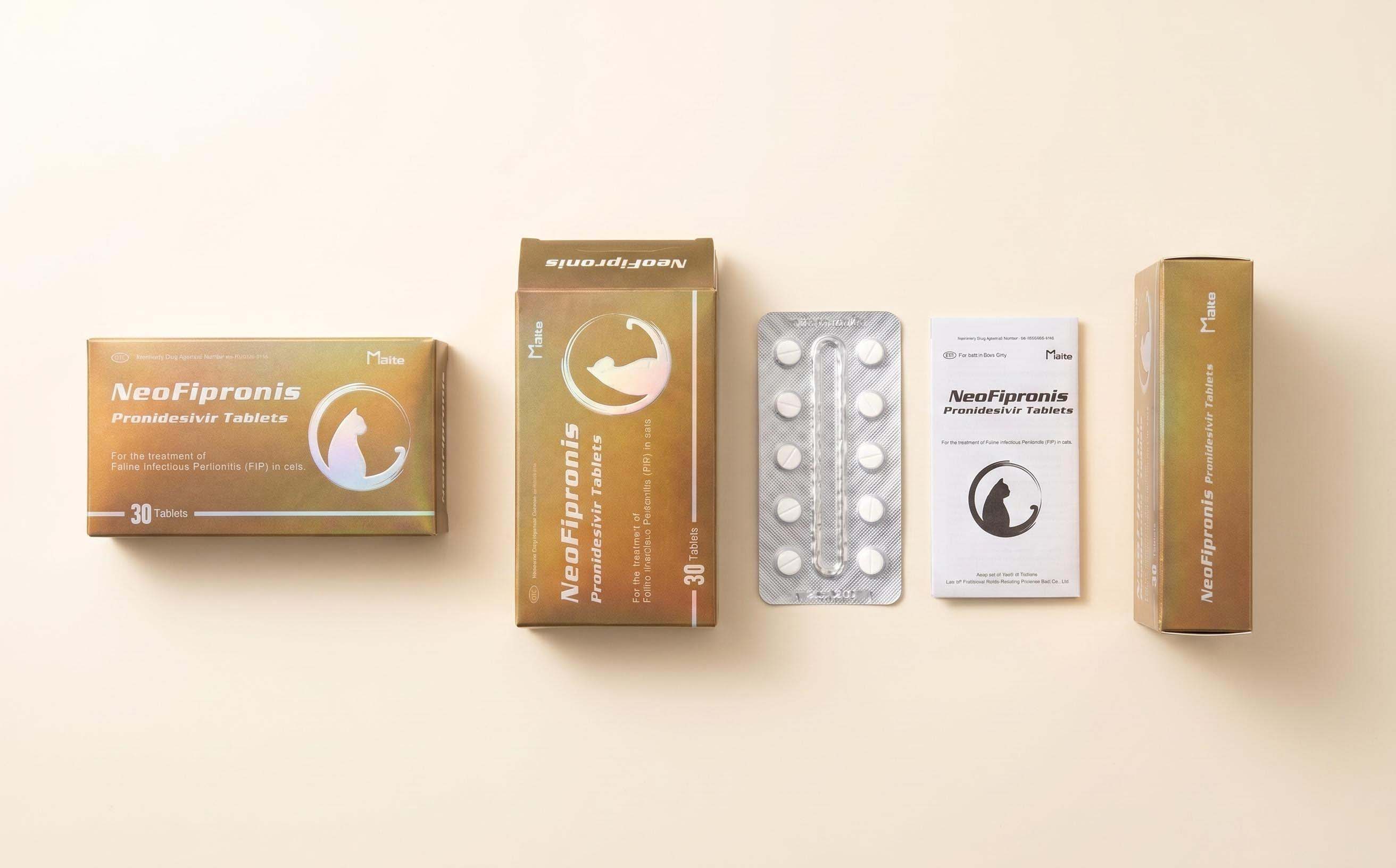
The development of antiviral drugs targeting the coronavirus replication cycle has revolutionized FIP treatment strategies. Among these, Pronidesivir (commercially known as Miaite NeoFipronis) has emerged as a groundbreaking medication. This drug offers new hope for feline health by efficiently suppressing the replication of the feline coronavirus, thereby reducing disease severity and supporting recovery.
Mechanism of Action of Pronidesivir
Pronidesivir is a nucleoside analog that interferes with the viral RNA-dependent RNA polymerase enzyme, crucial for viral replication. By integrating into the viral RNA chain during replication, Pronidesivir effectively halts the process, preventing the virus from multiplying and spreading within the host's body. This mechanism not only limits current infection but also reduces the likelihood of viral mutation and resistance development.
Clinical Benefits of Pronidesivir in FIP Management
Miaite NeoFipronis has demonstrated remarkable effectiveness in alleviating symptoms associated with FIP. Cats treated with Pronidesivir often exhibit rapid improvement in clinical signs, including:
Reduced fever
Improved appetite
Decreased lethargy
Resolution of ascites and pleural effusion
Reduced lymphadenopathy
Decreased formation of inflammatory granulomas
Recovery from nerve damage and uveitis
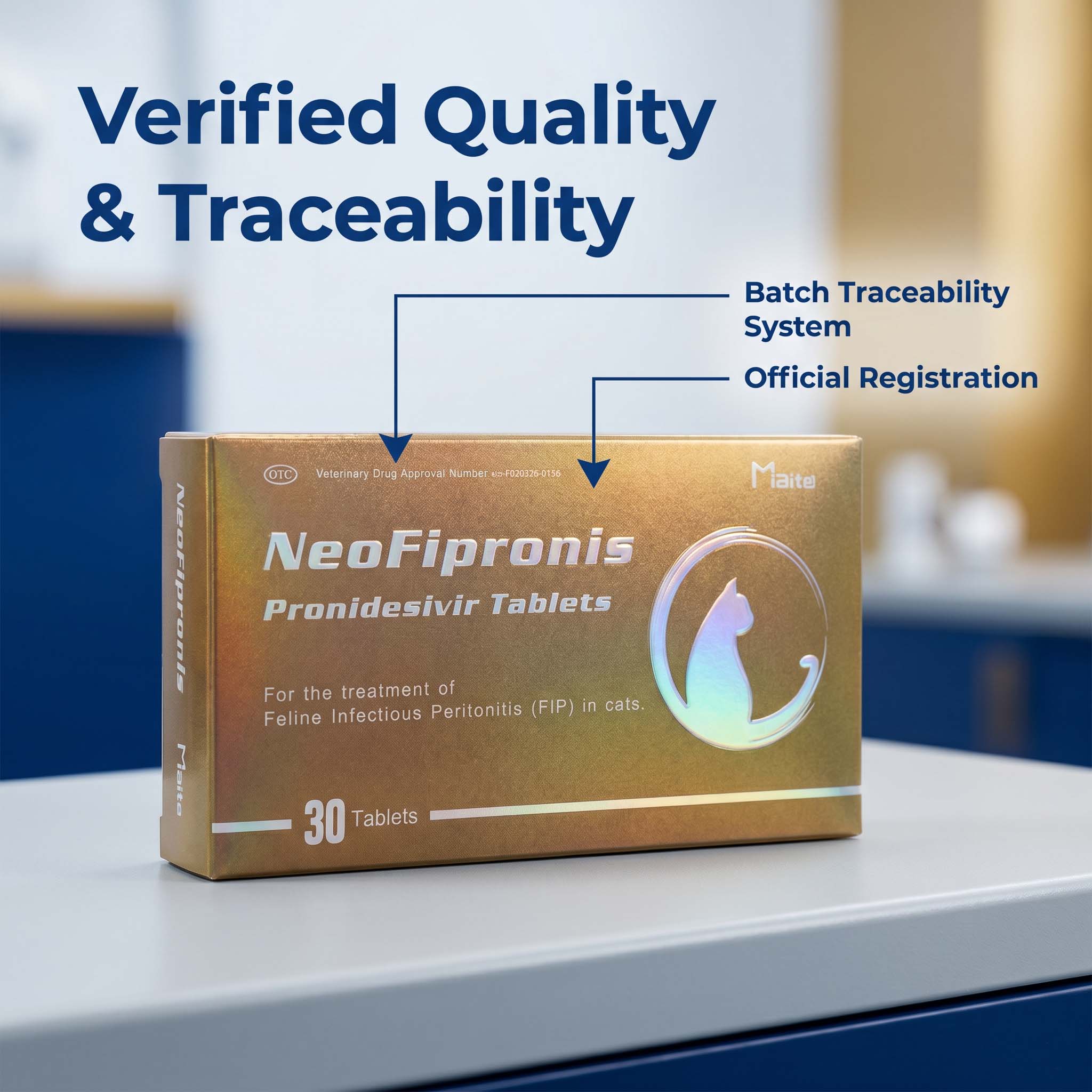
A significant breakthrough is that NeoFipronis is the world's first officially approved oral treatment for FIP, gaining approval from the Lao Ministry of Agriculture and Forestry (MAF) in March 2026, under the official drug registration number. Its oral administration simplifies treatment protocols, making it more accessible and less stressful for cats compared to injectable therapies.
Safety and Tolerability
Pronidesivir’s safety profile is highly favorable. It's non-invasive, rapidly absorbed through the gastrointestinal tract, and fast-acting. Cats tolerate NeoFipronis well, with minimal side effects reported. This safety profile encourages wider adoption in veterinary practice, especially for long-term management of FIP cases.
Treatment Protocols and Outcomes
The treatment regimen with NeoFipronis involves an initial high-dose phase, followed by a maintenance dose tailored to the individual cat's response. Monitoring during treatment includes regular assessments of clinical signs, blood tests, and imaging studies to evaluate the resolution of effusions and granulomas.
Clinical trials and field studies have consistently shown high remission rates when NeoFipronis is administered appropriately. Many cats, previously considered unrecoverable, have experienced significant recovery, with some returning to normal activity levels and quality of life.
Impact on FIP Prognosis and Future Prospects
The approval and widespread use of Pronidesivir mark a pivotal shift in the approach to feline coronavirus-related diseases. While FIP was once considered invariably fatal, the advent of effective antiviral therapies like NeoFipronis provides new hope. Ongoing research aims to optimize dosing strategies, maximize efficacy, and minimize potential resistance.
Moreover, the success of Pronidesivir encourages further investigations into antiviral agents against other feline viral diseases, broadening the horizon for feline infectious disease management.
Conclusion
Pronidesivir (Miaite NeoFipronis) represents a significant milestone in veterinary medicine for combating FIP. Its mechanism targeting viral replication directly translates into symptomatic relief, disease resolution, and improved survival rates. With its official approval and proven safety, Pronidesivir now stands as a pivotal tool in feline health, offering a promising route to recovery from what was once a universally fatal disease.
References
"Efficacy of Pronidesivir in FIP Treatment," Journal of Veterinary Antiviral Research
"Clinical Trials of NeoFipronis for FIP," International Journal of Feline Medicine
"Regulatory Approval of NeoFipronis in Laos," Lao Ministry of Agriculture and Forestry Official Records
"Advances in FIP Management," Veterinary Medicine Today