Sudden Weight Loss
⚠️ Sudden Weight Loss in Cats with FIP
Overview
Sudden or progressive weight loss is a common clinical sign in cats affected by feline infectious peritonitis (FIP). Affected cats may lose body mass rapidly despite maintaining partial appetite, and visible muscle wasting often becomes apparent within a short period of time.
Weight loss in FIP reflects underlying systemic inflammation, impaired nutrient absorption, increased metabolic demand, and reduced overall health status.
Common Signs
Cats experiencing FIP-related weight loss may show:
📉 Rapid or unexplained loss of body weight
💪 Noticeable muscle wasting, especially along the spine and hips
🍽️ Reduced appetite or inconsistent eating behavior
😿 Decreased energy and activity level
🧥 Poor coat quality and reduced grooming
⚖️ Failure to gain weight despite adequate food intake
In some cases, abdominal fluid accumulation in wet FIP may visually mask weight loss until advanced stages.
Why Does FIP Cause Weight Loss?
Several mechanisms contribute to weight loss in cats with FIP:
Chronic inflammation increases energy consumption and muscle breakdown.
Immune system activation alters metabolism and protein utilization.
Gastrointestinal involvement may impair digestion and nutrient absorption.
Reduced appetite and systemic illness limit caloric intake.
These combined effects lead to progressive loss of lean body mass and overall condition.
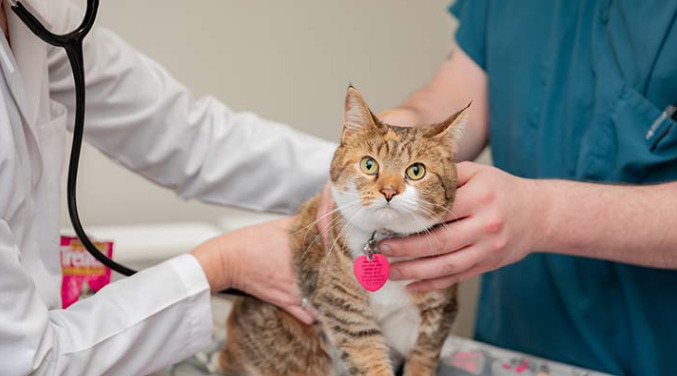
When Should You Seek Veterinary Care?
Prompt veterinary evaluation is recommended if:
Weight loss exceeds 5–10% of body weight within a short period.
Muscle wasting becomes visible or palpable.
Weight loss is accompanied by fever, lethargy, abdominal enlargement, neurologic signs, or eye abnormalities.
Appetite decreases persistently or feeding behavior changes significantly.
Early investigation improves diagnostic accuracy and treatment planning.
Diagnostic Evaluation
Veterinarians may assess weight loss using:
Body weight tracking and body condition scoring
Complete blood count (CBC)
Total protein and albumin-to-globulin ratio (A/G ratio)
Biochemistry profile
Imaging (ultrasound or radiography)
Inflammatory markers
Weight trends over time are often more valuable than single measurements.
Authoritative References
This content is based on guidance from:
Cornell University College of Veterinary Medicine
Merck Veterinary Manual
VCA Animal Hospitals
International Society of Feline Medicine (ISFM)
American Association of Feline Practitioners (AAFP)
⚠ Medical Disclaimer
This content is provided for educational purposes only and does not replace professional veterinary diagnosis or treatment.