FIP Safety & Monitoring
🛡️ Introduction
Feline infectious peritonitis (FIP) requires careful clinical management under veterinary supervision. When antiviral medications are discussed in research or clinical settings, safety and monitoring play a critical role in ensuring appropriate evaluation of response and tolerance.
This page provides educational information about common safety considerations and monitoring concepts related to FIP medications. It does not provide medical advice or treatment recommendations.
⚠️ Why Safety Matters
Every cat responds differently to medication based on age, underlying health conditions, immune status, and disease severity. Even when studies show potential benefit in controlled environments, individual variability remains significant.
Educational safety considerations often include:
Potential digestive or appetite changes
Variations in liver and kidney laboratory values
Sensitivity reactions or intolerance
Interaction with other medications or supplements
Stress associated with handling and administration
All medical decisions should be guided by a licensed veterinarian.
🧪 Laboratory Monitoring Concepts
Veterinarians commonly use laboratory testing to evaluate trends rather than single values. Educational monitoring topics may include:
Complete blood count (CBC): inflammation and anemia trends
Total protein and A/G ratio: immune and protein balance patterns
Liver enzymes: metabolic tolerance indicators
Kidney markers: hydration and renal function trends
Electrolytes: fluid balance monitoring
Testing frequency and interpretation depend on clinical context.
📈 Clinical Observation at Home
Cat owners may assist veterinary care by tracking daily observations, such as:
Body weight and appetite changes
Activity level and behavior
Body temperature trends (when recommended)
Hydration status and litter box habits
Any new or unusual symptoms
These observations should be shared with the veterinarian.
🩺 Follow-Up and Adjustment
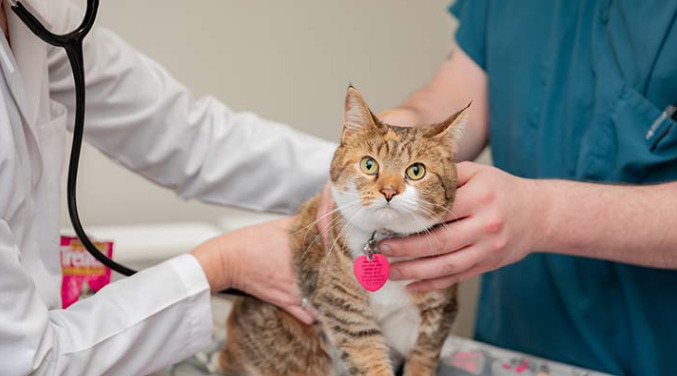
Follow-up visits allow veterinarians to evaluate progress and adjust care plans based on:
Clinical improvement or new concerns
Laboratory trend interpretation
Imaging findings when applicable
Overall tolerance and quality of life
Cat owners should never independently modify medication plans.
⚠️ Medical Disclaimer
All content on this website is provided for educational and informational purposes only and does not constitute medical or veterinary advice. Always consult a licensed veterinarian for diagnosis and treatment decisions regarding your pet.