Practical Tips for Owners
🐾 Introduction
Caring for a cat with feline infectious peritonitis (FIP) can be emotionally challenging and requires close observation and communication with a licensed veterinarian. This section provides practical, non-medical tips designed to support daily care, monitoring, and record keeping while maintaining the cat’s comfort and quality of life.
All information is provided for educational purposes only and does not replace professional veterinary advice.
📋 Daily Observation and Record Keeping
Keeping consistent daily records can help identify trends and support informed discussions with your veterinarian.
Helpful items to track may include:
Body weight (at the same time each day or week)
Appetite and water intake
Energy level and behavior changes
Body temperature trends (when recommended)
Litter box habits and hydration
Any unusual signs or reactions
Simple notes or digital logs are sufficient.
🍽️ Nutrition and Hydration Support
Maintaining adequate nutrition and hydration is important for recovery and overall health.
Educational considerations include:
Offering highly palatable, easy-to-digest food
Providing frequent small meals when appetite is reduced
Ensuring clean, accessible water sources
Monitoring body weight to assess intake adequacy
Consulting a veterinarian before changing diets or supplements
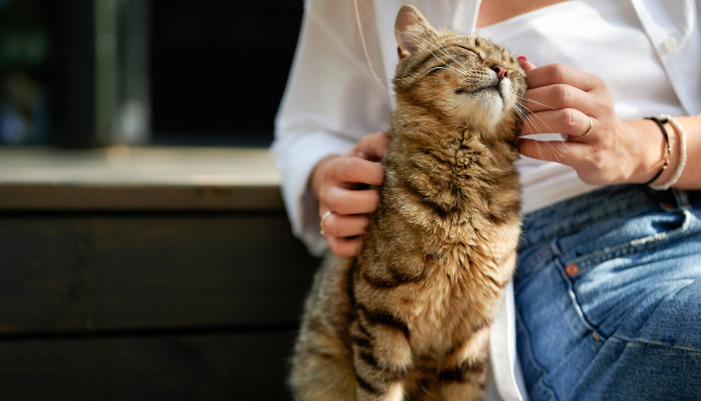
🧘 Stress Reduction and Comfort
Stress can impact appetite, immune response, and behavior.
Supportive comfort tips may include:
Maintaining a quiet, predictable environment
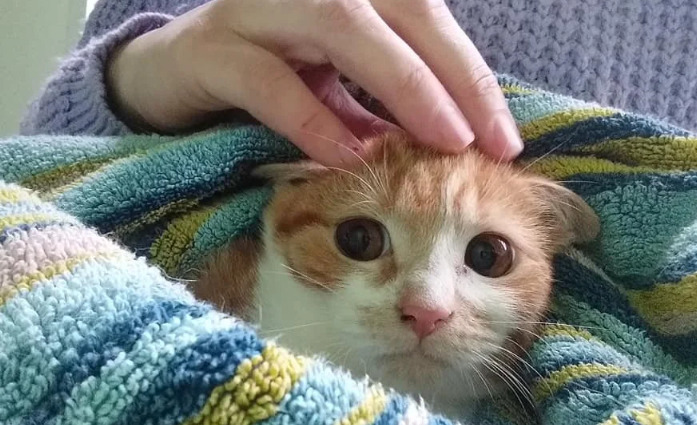
Providing warm, comfortable resting areas
Minimizing excessive handling when the cat appears fatigued
Preserving familiar routines when possible
Using gentle enrichment activities when appropriate
💊 Medication Handling (Non-Prescriptive)
If medication has been prescribed by a veterinarian, safe handling practices may help reduce stress:
Follow the veterinarian’s instructions precisely
Use gentle restraint and positive reinforcement
Avoid crushing or altering medication unless approved
Store medications safely away from children and pets
Never share medications between animals
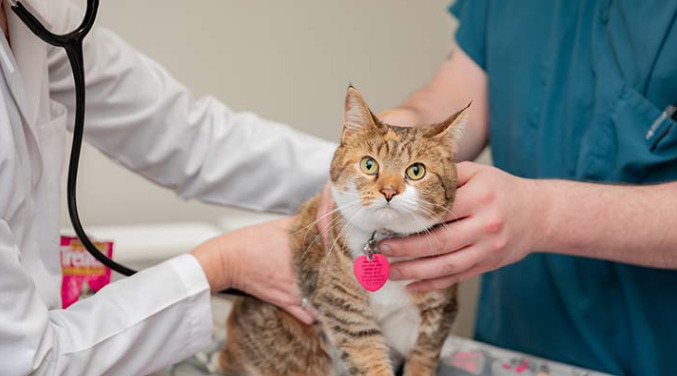
📞 When to Contact a Veterinarian
Prompt veterinary consultation is important if you notice:
Sudden loss of appetite or severe lethargy
Difficulty breathing or collapse
Persistent vomiting or diarrhea
Neurologic changes (seizures, imbalance)
Rapid abdominal enlargement
Any concerning or worsening symptoms
⚠️ Medical Disclaimer
All content on this website is provided for educational and informational purposes only and does not constitute medical or veterinary advice. Always consult a licensed veterinarian for diagnosis and treatment decisions regarding your pet.