FIP Medication Overview
🧩 Intro Section
Medication Overview for FIP in Cats
Feline infectious peritonitis (FIP) is a serious viral disease in cats that requires professional veterinary evaluation and management. In recent years, antiviral compounds such as Pronidesivir(GS-441524) and related formulations have been studied and discussed in veterinary and academic settings.
This page provides educational information to help cat owners understand general medication concepts related to FIP, including how antiviral therapy is described in research literature, safety considerations, and the importance of ongoing veterinary monitoring. This content is not intended to provide medical advice or replace professional diagnosis and treatment.
🧬 Understanding Antiviral Concepts
Antiviral medications used in FIP research are designed to inhibit viral replication inside infected cells. Pronidesivir(GS-441524), a nucleoside analog, has been widely referenced in published studies for its antiviral activity against feline coronavirus under controlled conditions.
In educational discussions, antiviral therapy typically focuses on:
Reducing viral replication activity
Supporting clinical stabilization under veterinary care
Allowing the immune system time to recover
Monitoring response through clinical signs and laboratory trends
It is important to understand that treatment protocols, dosing decisions, and monitoring plans must always be determined by a licensed veterinarian based on the individual cat’s condition.
🩺 Role of Veterinary Supervision
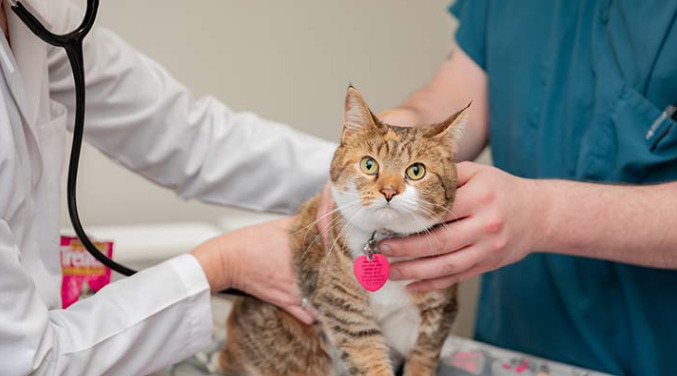
FIP management requires professional veterinary oversight. A veterinarian may recommend:
Baseline physical examination and laboratory testing
Ongoing monitoring of body weight, appetite, temperature, and behavior
Periodic blood tests to evaluate organ function and inflammation
Adjustments based on clinical response and tolerance
Cat owners should never modify medication plans without consulting a veterinarian.
🛡️ Safety Considerations (Educational)
While antiviral research has shown promising outcomes in controlled studies, all medications carry potential risks and variability in response. Educational safety topics often include:
Possible digestive upset or appetite changes
Laboratory value fluctuations requiring monitoring
Individual sensitivity or underlying medical conditions
The importance of accurate dosing and consistent administration
Any unexpected symptoms should be discussed promptly with a veterinary professional.
📊 Monitoring and Follow-Up
Monitoring plays a key role in evaluating treatment response. Common educational monitoring topics include:
Weekly or bi-weekly weight tracking
Appetite and energy level observation
Periodic blood testing when recommended
Imaging follow-up in selected cases
These observations help veterinarians make informed clinical decisions.
📚 Learn More
Explore additional educational sections:
Safety & Monitoring
Medication Library (GS-441524, Pronidesivir)
Practical Tips for Cat Owners
FIP FAQs
⚠️ Medical Disclaimer
All content on this website is provided for educational and informational purposes only and does not constitute medical or veterinary advice. Always consult a licensed veterinarian for diagnosis and treatment decisions regarding your pet.