Loss of Appetite
🍽️ Loss of Appetite in Cats with FIP
Overview
Loss of appetite (anorexia or reduced food intake) is a common clinical sign in cats affected by feline infectious peritonitis (FIP). Decreased appetite often develops gradually but may worsen rapidly as systemic inflammation progresses.
Poor food intake contributes to weight loss, muscle wasting, weakness, and delayed recovery, making early recognition and veterinary evaluation essential.
Common Signs
Cats experiencing appetite loss may show:
🍴 Refusal to eat or significantly reduced food intake
🕒 Eating smaller portions or skipping meals
😿 Decreased interest in favorite foods or treats
😴 Lethargy and reduced activity
⚖️ Progressive weight loss
🧥 Dull coat and reduced grooming behavior
🚱 Reduced water intake in some cases
Changes in appetite may fluctuate and can be influenced by fever, pain, nausea, or stress.
Why Does FIP Cause Loss of Appetite?
Several factors contribute to appetite loss in cats with FIP:
Systemic inflammation alters appetite-regulating hormones.
Fever and discomfort suppress normal feeding behavior.
Gastrointestinal involvement may cause nausea or reduced digestion.
Fluid accumulation or organ involvement increases physical discomfort.
Neurologic involvement may affect feeding coordination.
The combined effect often results in insufficient caloric intake.
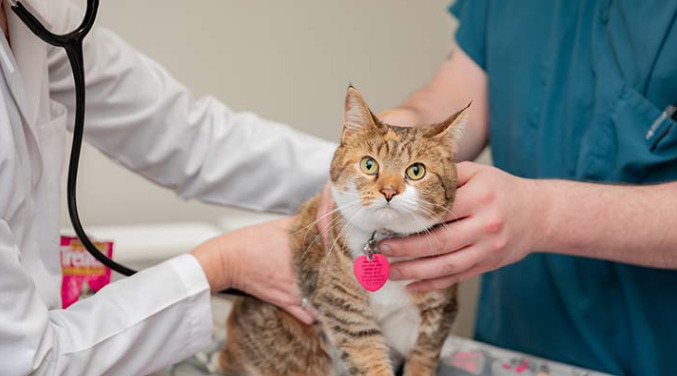
When Should You Seek Veterinary Care?
Veterinary evaluation is recommended if a cat:
Refuses food for more than 24 hours
Shows rapid or unexplained weight loss
Appears weak, dehydrated, or depressed
Exhibits additional signs such as fever, abdominal swelling, neurologic abnormalities, or jaundice
Displays persistent vomiting or diarrhea
Early intervention supports nutritional stability and diagnostic accuracy.
Diagnostic Evaluation
Veterinarians may evaluate appetite loss using:
Physical examination and weight tracking
Complete blood count (CBC)
Biochemistry profile
Hydration and electrolyte assessment
Imaging studies when indicated
Evaluation for concurrent disease or pain
Nutritional trends over time provide valuable insight into disease progression.
Authoritative References
This content is based on guidance from:
Cornell University College of Veterinary Medicine
Merck Veterinary Manual
VCA Animal Hospitals
International Society of Feline Medicine (ISFM)
American Association of Feline Practitioners (AAFP)
⚠ Medical Disclaimer
This content is provided for educational purposes only and does not replace professional veterinary diagnosis or treatment. Always consult a licensed veterinarian for medical decisions.