What Is NeoFipronis Used for
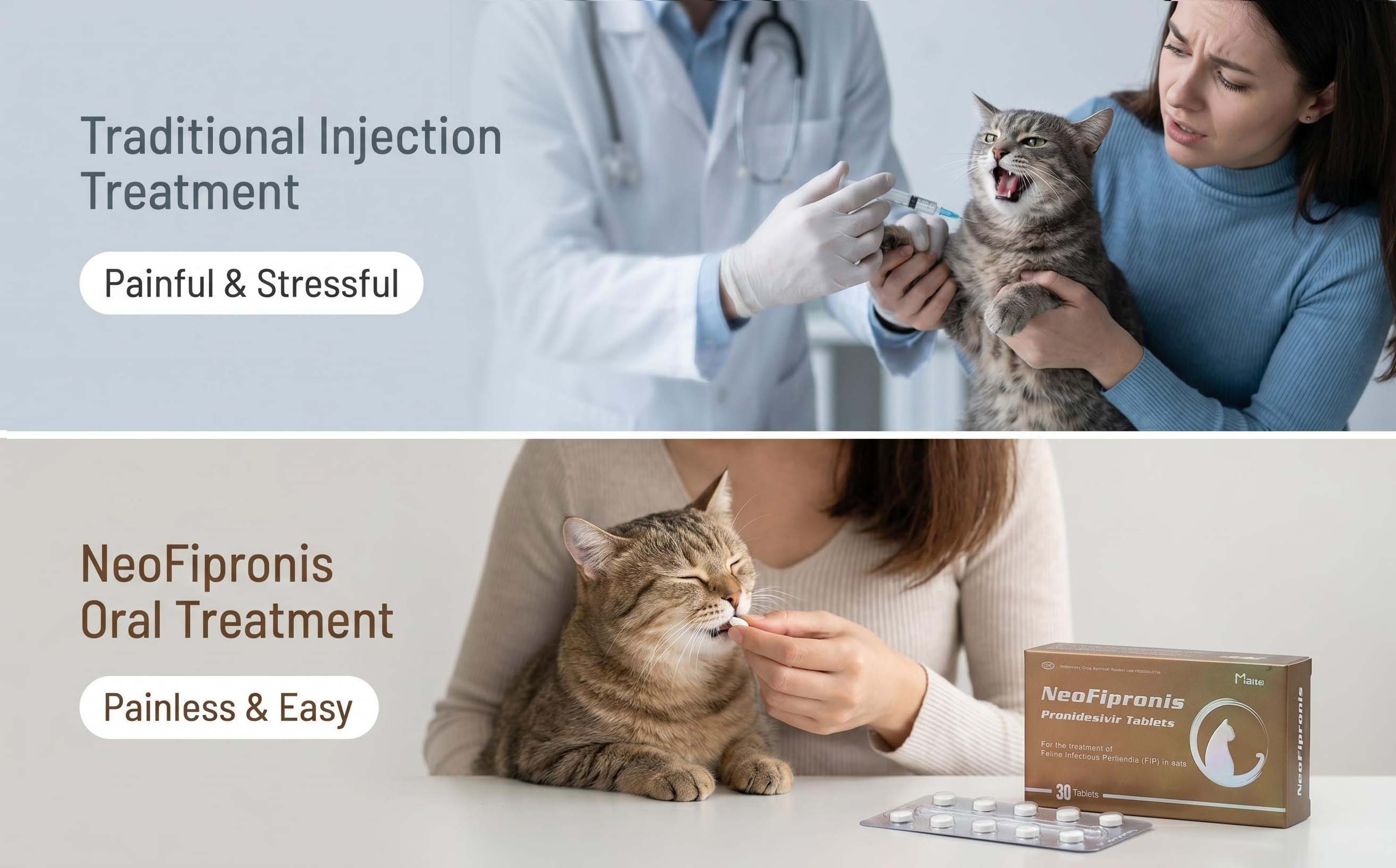
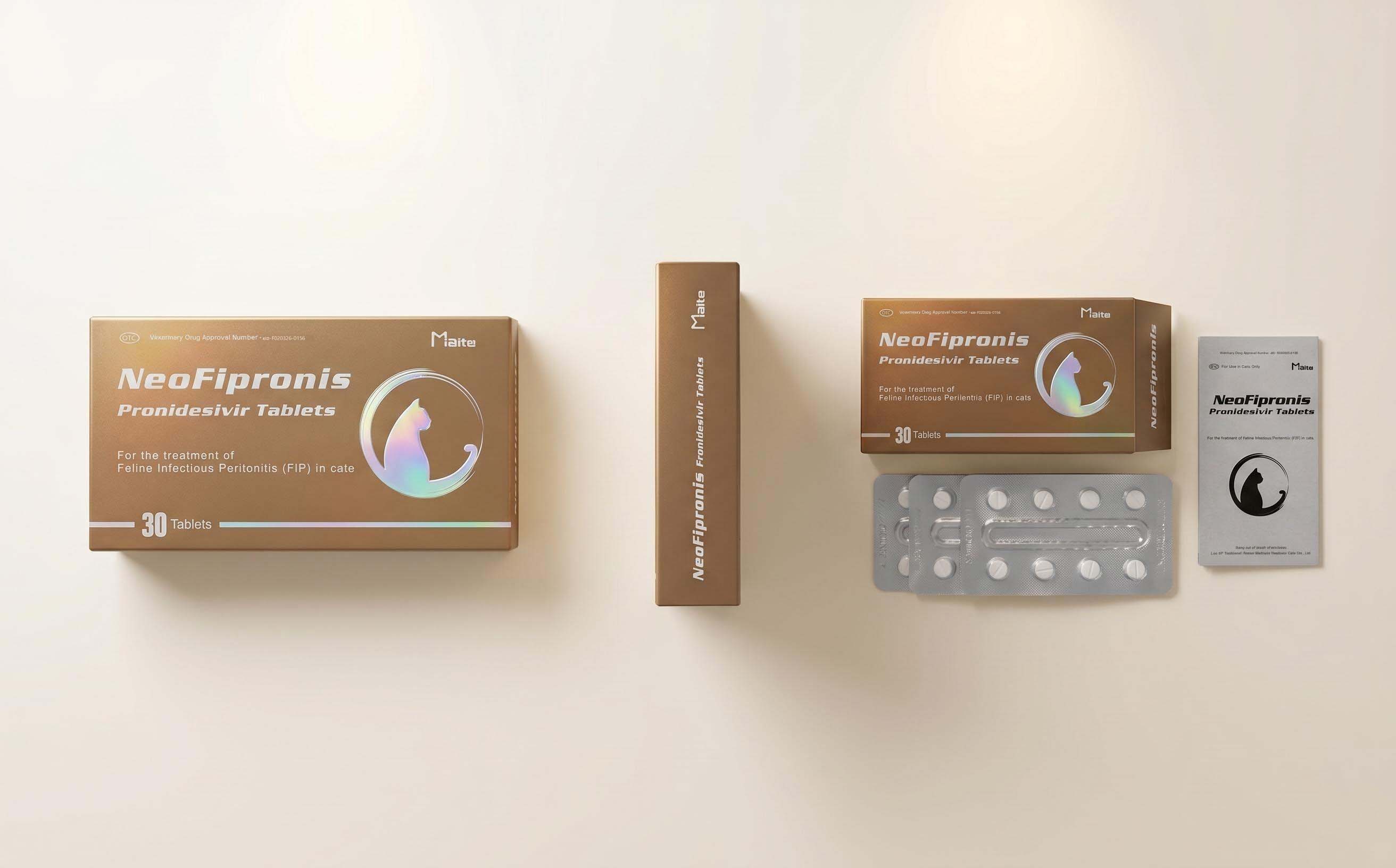
NeoFipronis (Pronidesivir) GS-441524 is a groundbreaking oral medication specifically designed for the treatment of Feline Infectious Peritonitis (FIP). FIP is a severe, often fatal disease caused by a mutated feline coronavirus that affects cats worldwide. It manifests through a range of symptoms such as loss of appetite, lethargy, fever, accumulation of fluid in the abdomen and chest, lymph node enlargement, granulomatous inflammation, neurological damage, and uveitis. Traditional treatments have been largely supportive, with limited success, making effective antiviral therapy crucial for improving feline health outcomes.
NeoFipronis, approved by the Lao Ministry of Agriculture and Forestry (MAF) in March 2026, is the first officially registered FIP treatment medication in the world. It is a safe, non-invasive solution with rapid absorption and quick onset of action. The medication boasts minimal side effects and excellent tolerability, making it a preferred choice for veterinary practitioners and cat owners seeking effective solutions against FIP. Its active ingredient, GS-441524, is a nucleoside analog recognized for its potent antiviral properties, specifically targeting the replication process of FIP virus—coronavirus strains responsible for the disease’s progression.
Administered based on the cat’s weight, the typical dosage is 15 mg per kilogram (equivalent to half a tablet), given once daily. For cats exhibiting neurological or ocular symptoms, veterinarians may recommend increasing the dose to 30 mg per kilogram, but always under professional guidance. The medication is best administered on an empty stomach—either an hour before feeding or two hours after—to enhance absorption. Duration of treatment typically lasts no less than 12 weeks, emphasizing the importance of strict adherence to the dosing schedule to prevent disease relapse.
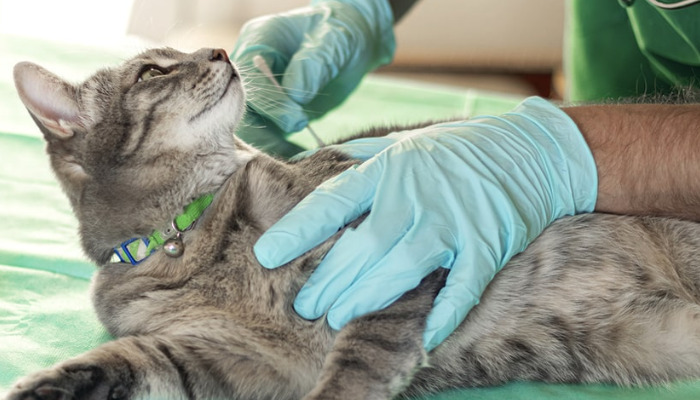
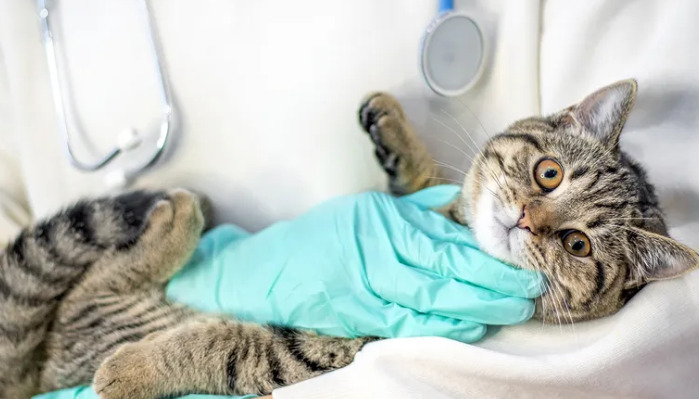
Monitoring during treatment is critical. Pet owners should observe their cat’s appetite, body temperature, and overall mental state regularly. Routine blood tests assessing liver and kidney function are recommended to detect any adverse reactions early. While NeoFipronis is classified as an OTC drug, it is highly advised to use it under veterinarian supervision to ensure safety and maximize efficacy. Veterinary oversight helps tailor treatment dosages and duration, especially in complex cases involving neurological or ocular manifestations.
It is important to emphasize that NeoFipronis is strictly for feline use. Human consumption is strictly prohibited, and pet owners should purchase the medication exclusively from authorized sources, such as the official NeoFipronis website, to ensure product authenticity and safety. The medication’s formulation offers a reliable, fast-acting, and well-tolerated antiviral therapy, representing a significant advancement in feline medicine.
In conclusion, NeoFipronis (Pronidesivir) GS-441524 provides an effective and innovative solution for veterinarians fighting FIP in cats. Its ability to rapidly inhibit coronavirus replication helps improve survival rates and quality of life for affected cats. Given the complexity of FIP and the critical need for early and consistent treatment, NeoFipronis emerges as a vital tool in modern feline veterinary care. Proper usage, under professional guidance, ensures optimal outcomes and helps combat this challenging disease effectively.