Is FIP Commonly Misdiagnosed in Cats
Feline Infectious Peritonitis (FIP) stands as one of the most enigmatic and devastating diseases affecting domestic cats. FIP arises from a mutation of feline coronavirus (FCoV), leading to a severe, often fatal immune-mediated disease. Despite increasing scientific understanding, FIP remains notorious for diagnostic challenges, frequently being misdiagnosed due to its unpredictable clinical signs and overlap with other feline diseases. This extended exploration reviews why FIP is so often misdiagnosed in cats, the implications for feline health, and how recent diagnostic advancements are shifting the landscape.
Clinical Presentation and Diagnostic Challenges
Many practitioners struggle to accurately diagnose FIP because its clinical manifestations mimic a wide spectrum of other illnesses. FIP can present in two broad forms: "wet" (effusive) and "dry" (non-effusive). Wet FIP is characterized by fluid accumulation in the abdomen or chest, while dry FIP involves granulomatous lesions in organs such as the liver, kidneys, or central nervous system.
The clinical symptoms—fever unresponsive to antibiotics, lethargy, anorexia, weight loss, jaundice, and neurological changes—are not exclusive to FIP. Diseases such as lymphoma, bacterial peritonitis, heart disease, and other viral and immune-mediated conditions cause similar signs. This significant overlap creates diagnostic uncertainty, especially since many basic laboratory tests (CBC, serum biochemistry, imaging) are non-specific.
Laboratory Diagnosis and Its Pitfalls
Traditional diagnostic approaches often include analysis of effusions, blood work, and serological tests for antibodies or antigens. However, no single test conclusively identifies FIP. Detection of coronavirus antibodies only reveals exposure—not necessarily FIP, as most cats in multi-cat environments have been exposed to feline coronavirus at some point.
Effusions associated with wet FIP often have high protein content and are straw-colored, but these features are not exclusive and can be seen in other causes of exudative or transudative effusions. Rivalta’s test, sometimes used in Europe, can help distinguish FIP-related effusions in some cases, but false positives and negatives are common.
Advanced diagnostics, such as real-time PCR for feline coronavirus RNA or immunocytochemistry to detect viral antigens in tissues or cells, have improved accuracy, but are not infallible. PCR can detect coronavirus RNA, but cannot distinguish between non-pathogenic enteric FCoV and the mutated FIP-causing strain. Tissue biopsies with histopathology and immunostaining are considered the gold standard, but these methods are invasive, cost-prohibitive, and impractical for many pet owners.
Overlap With Other Diseases
FIP shares symptoms and even laboratory findings with a multitude of feline illnesses. For instance, lymphoma, which may cause abdominal masses and effusions, can be challenging to distinguish clinically and radiographically. Chronic bacterial infections, other viral diseases (such as FeLV or FIV), and metabolic conditions (like hepatic lipidosis or severe pancreatitis) also complicate the picture.
Neurological FIP, which presents as seizures, ataxia, and behavioral changes, can be mistaken for toxoplasmosis, brain tumors, or primary epilepsy. Ocular FIP, causing uveitis and retinal changes, may resemble herpesvirus or toxoplasma infection.
Epidemiological Factors and Overdiagnosis
FIP is most often seen in cats under three years old, especially those from shelters, catteries, or multi-cat households. The prevalence of enteric coronaviruses in such environments means that many cats will test positive for coronavirus antibodies even if they do not have FIP. A lack of confirmatory diagnostics leads some veterinarians to overdiagnose the disease in ambiguous cases, especially when faced with young, sick cats from high-risk backgrounds.
Conversely, FIP is sometimes underdiagnosed, particularly when clinicians mistakenly attribute its symptoms to more common, treatable conditions or fail to consider it in older cats. Education and awareness about atypical presentations are critical to reducing both under- and overdiagnosis.
Misdiagnosis: Clinical Consequences and Emotional Toll
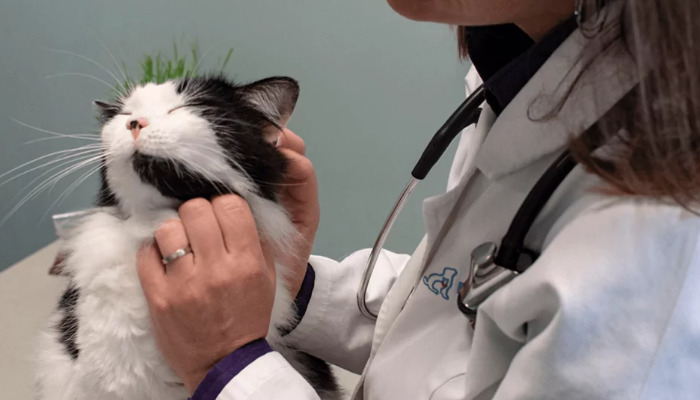
The consequences of misdiagnosing FIP are severe. Cats incorrectly diagnosed with FIP may be euthanized based on the presumption of a fatal, untreatable disease, foregoing therapies for underlying treatable conditions. The emotional impact on pet owners is profound, as FIP’s reputation as a death sentence creates distress and urgency. Conversely, failing to diagnose FIP can result in delayed palliative care and prolonged suffering.
Advances in Diagnostic Techniques
In recent years, diagnostic techniques have emerged to improve identification. Genetic sequencing of the spike protein in coronavirus isolates can help differentiate FIP-causing strains, but these tests are often limited to specialized laboratories. In-house rapid tests and newer immunohistochemical stains for effusion samples have helped clinicians make more confident diagnoses, particularly with the advent of point-of-care molecular assays.
Further, AI-driven diagnostic algorithms, combining clinical findings, laboratory data, imaging, and risk evaluation, are being piloted to aid decision-making, though their adoption remains limited.
Treatment Developments and Diagnostic Implications
Historically, FIP carried a uniformly poor prognosis, leading to the assumption that aggressive diagnosis was less useful. However, the introduction of antiviral drugs, such as GS-441524 and remdesivir, has changed the narrative—cats with confirmed FIP can now survive or achieve remission. This increased the demand for precise diagnosis. Incorrect diagnosis not only results in unnecessary drug use and cost, but may deprive genuine FIP cases of life-saving intervention.
Recommendations for Practitioners
Veterinarians are urged to adopt a systematic approach to diagnosing FIP:
Take thorough histories, focusing on age, environment, and exposure risk.
Use advanced imaging, including ultrasound and MRI, to check for effusions and organ involvement.
Collect effusion samples for cytology, biochemical analysis, and serology, but interpret in context.
Utilize PCR and immunocytochemistry where available, understanding their limitations.
Consider tissue biopsies and histopathology for definitive cases.
Avoid making diagnoses based solely on risk factors or non-specific laboratory results.
Educational Gaps and Owner Awareness
Owner education is key. Many cat guardians entering veterinary clinics have heard of FIP—often as a dire, untreatable illness. It is imperative for veterinary professionals to explain the nuances of diagnosis, the importance of ruling out other diseases, and the evolving state of FIP treatment. Online resources, brochures in clinics, and transparent communication about diagnostic uncertainty can empower owners, fostering realistic expectations and informed decision-making.
The Future of FIP Diagnosis
Improved understanding of the molecular biology of feline coronaviruses has opened new pathways for diagnostics, emphasizing the need for ongoing research. Point-of-care tools that can accurately distinguish pathogenic FIP strains from benign enteric coronaviruses are on the horizon. Artificial intelligence and big data analysis promise further refinement, potentially automating pattern recognition based on hundreds of variables.
Collaborative efforts between laboratories, veterinary clinics, and academic institutions are accelerating research, while developments in anti-FIP drugs continue to drive innovation in rapid, reliable diagnostics.
Implications for Shelter Medicine and Population Health
Misdiagnosis of FIP carries population-level implications, particularly in catteries and shelters where isolated cases can prompt fear and unnecessary euthanasia or culling. Improved diagnostic protocols and education of shelter staff can reduce these outcomes. Population screening for enteric coronavirus infection is not warranted, but maintaining rigorous hygiene, stress reduction, and population management reduces risk.
Conclusion
Understanding why FIP is commonly misdiagnosed in cats highlights the need for ongoing clinician education, improvement in diagnostic technology, and transparent dialogue with cat owners. As treatments improve, the stakes for accurate diagnosis grow higher. Progress in the fight against this disease remains a testament to the collaborative relationship between veterinarians, researchers, and the cat-loving public.
References
1. Pedersen NC. A Review of Feline Infectious Peritonitis Virus Infection: 1963–2008. J Feline Med Surg. 2009;11(4):225-258.
2. Felten S, Hartmann K. Diagnosis of Feline Infectious Peritonitis: A Review of the Current Literature. Viruses. 2019;11(11):1068.
3. Kipar A, Meli ML. Feline infectious peritonitis: still an enigma? Vet Pathol. 2014;51(2):505-526.
4. Dempsey SM, Ewing PJ. Feline infectious peritonitis: diagnostic dilemmas and therapeutic options. Compend Contin Educ Vet. 2011;33(6):E1.
5. Tasker S. Diagnosis of feline infectious peritonitis: update on evidence supporting laboratory tests. J Feline Med Surg. 2018;20(3):228-243.
6. Hosie MJ, Hofmann-Lehmann R, Hartmann K, et al. Feline infectious peritonitis: ABCD guidelines on prevention and management. J Feline Med Surg. 2023;25(2):103-131.
7. Chang HW, Egberink HF, Halpin R, et al. Spike Protein Fusion Peptide of Feline Infectious Peritonitis Virus: Implications for Pathogenesis and Diagnosis. PLoS One. 2012;7(3):e33681.
8. Addie DD, Belák S, Boucraut-Baralon C, et al. Feline Infectious Peritonitis: ABCD guidelines on prevention and management. J Feline Med Surg. 2009;11(7):594-604.
9. Haijema BJ, Volders H, Rottier PJ. Switching species tropism: an effective way to manipulate coronavirus pathogenicity. J Virol. 2003;77(5):4528-4538.
10. Gaunt E, et al. Vet Clin Pathol. 2022;51(2):216-226.
11. Murphy BG, et al. The evolving role of antiviral therapy for feline infectious peritonitis. Vet Clin North Am Small Anim Pract. 2023;53(1):297-313.