Can Owners Care for Their Cat Normally Before FIP Is Confirmed
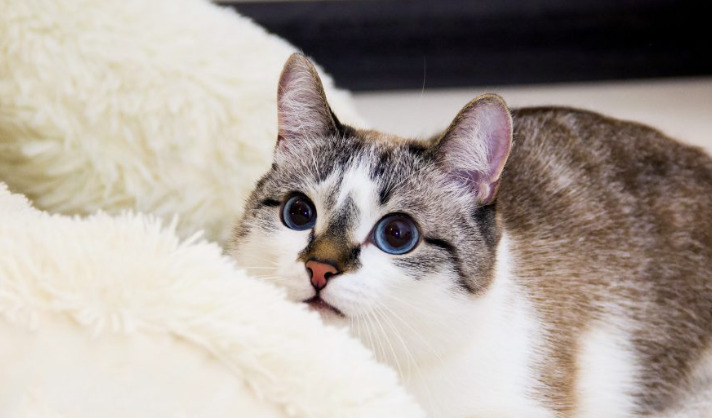
Feline Infectious Peritonitis (FIP) represents one of the most emotionally fraught diagnoses in feline veterinary medicine. Caused by a mutation in a typically benign coronavirus, FIP can progress rapidly and is known for its significant mortality rate, particularly among young cats and those living in group environments. Given the complex nature of its diagnosis – which often relies on a combination of clinical signs, laboratory testing, and the exclusion of other diseases – many cat owners find themselves in a state of uncertainty while waiting for confirmation. This period can evoke a host of questions: Should normal routines be maintained? Isolate the cat? Change hygiene practices? This article explores the realities of caring for a cat suspected of FIP, balancing the need for wellbeing, preventive measures, and emotional support until a diagnosis is reached.
Recognizing the Signs and the Diagnostic Challenge
FIP is notorious for its elusive presentation. Its symptoms – weight loss, lethargy, fever, swollen abdomen (in the effusive or “wet” form), and neurological or ocular issues (in the non-effusive or “dry” form) – often mimic those of other infections or chronic conditions. As a result, veterinarians may suggest a battery of tests, including bloodwork displaying elevated globulins, low albumin, and increased total protein, as well as imaging and analysis of body fluids. Even then, the diagnosis is commonly presumptive until more definitive indicators emerge.
This diagnostic ambiguity leads many cat owners to a crossroads: how should one act in this waiting period? Understanding what is – and is not – necessary can prevent unnecessary stress for both the cat and household members.
Day-to-Day Care: What Should Change and What Should Not
1. Maintaining Comfort and Routine
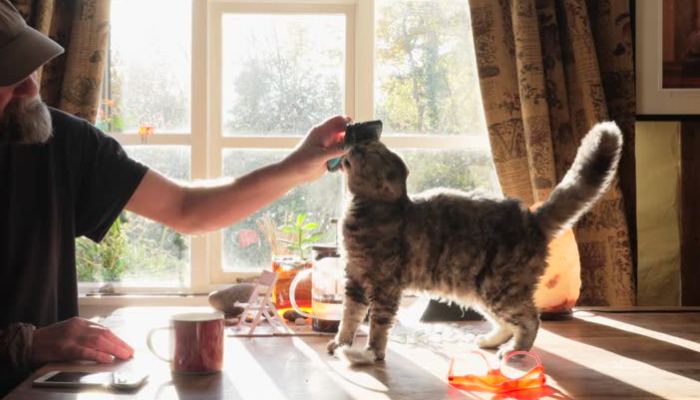
Until FIP is confirmed, most experts recommend maintaining the cat’s usual routine as much as possible. Sudden changes in environment, feeding, or interaction can heighten stress, which may further depress immune function and aggravate clinical signs. Continue feeding your cat its preferred diet, encourage regular play and gentle interaction, and allow access to favorite resting spots. Providing comfort and continuity is central to good animal welfare, especially when uncertainty looms.
2. Monitoring Symptoms
While routine remains important, vigilant monitoring of your cat becomes paramount. Take note of any changes: appetite, energy levels, urination, stool, breathing, and visible discomfort should be logged. Sharing precise observations with your veterinarian helps guide decision-making and may facilitate faster diagnosis. If severe signs arise, such as persistent vomiting, respiratory distress, or sudden neurological changes, consult your veterinarian promptly.
3. Hygiene Practices
Feline coronavirus, the precursor to FIP, is spread primarily through fecal-oral transmission. For multi-cat households, enhanced hygiene is prudent but panic isn’t warranted. Clean litter boxes at least once daily, wash hands after handling waste, and make sure food and water bowls are regularly disinfected. Avoid sharing these bowls between cats if possible.
Isolation can be considered if another cat is immuno-compromised, very young, or chronically ill, as these are higher-risk groups. However, full strict isolation is rarely necessary unless FIP diagnosis is confirmed, as the mutated FIP variant is not considered highly contagious.
4. Limit Stressors
Stress is a known trigger for many illnesses, including the progression of coronavirus infections in cats. Keep the home environment calm. Minimize household changes, loud noises, and disruptions. Provide hiding places and elevated perches if your cat enjoys these, as they can give a sense of security.
5. Medication and Supplements
Unless specifically directed by your veterinarian, avoid starting any new medication, supplements, or treatments before diagnosis. Some owners may be tempted to try over-the-counter remedies or online suggestions, but these can interfere with test results or precipitate adverse reactions.
Interacting with Other Pets and Family Members
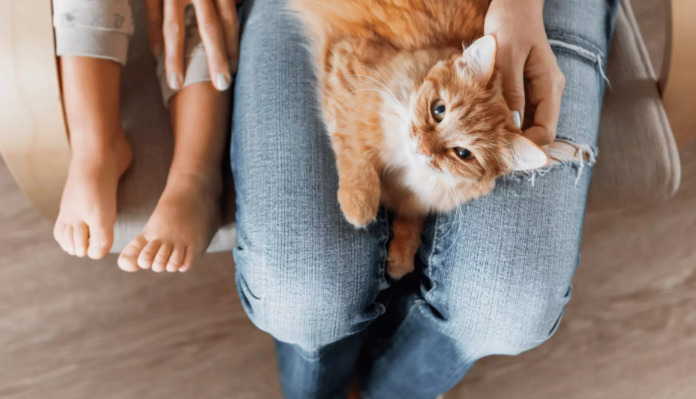
Understanding transmission is key to informed care. The mutated FIP-causing virus doesn’t spread easily between cats, and there’s no evidence it transmits to humans or other animals. Thus, owners need not fear direct contact; petting, gentle cuddling, and play remain safe for all family members.
Nevertheless, the base feline coronavirus can be widely present in multi-cat homes. Sensible precautions – not alarmist interventions – should guide interactions. Children and immune-compromised adults should follow basic hygiene, such as handwashing after cleaning the litter box, but can otherwise interact normally with the pet.
Emotional Support and Preparation
The period before an FIP diagnosis confirmation is fraught with worry and anticipatory grief. Owners may feel both hope and dread. Supporting emotional health is vital: connect with veterinarians, local support groups, and online forums for guidance and camaraderie. Journaling or discussing fears can be therapeutic. Remember, most cats with mild coronavirus infections do not develop FIP, so panic is premature.
Preparing for Further Diagnostics or Possible Treatment
Veterinary medicine has witnessed major advances in FIP diagnosis and therapy since the discovery that nucleoside analogues (such as GS-441524) can dramatically improve outcomes. While waiting for confirmation, communicate openly with your veterinarian about available options should FIP be diagnosed, including accessibility, costs, and legal status of medications.
Make logistical preparations: monitor finances, identify transportation for emergency visits, and map out next steps should aggressive intervention become necessary. Equally, research reliable sources of information, avoiding anecdotal or miracle cure claims.
When to Isolate a Suspect FIP Cat
Isolation is contentious. Current consensus suggests it is rarely needed before FIP is confirmed. In high-density environments – shelters, catteries, or foster homes – moderate separation and strict hygiene may be beneficial to reduce overall coronavirus transmission. In typical households, maintaining space between food and litter areas suffices. Immediate isolation may be warranted in the rare event of another cat developing severe symptoms simultaneously.
Feeding, Environmental Enrichment, and Practicalities
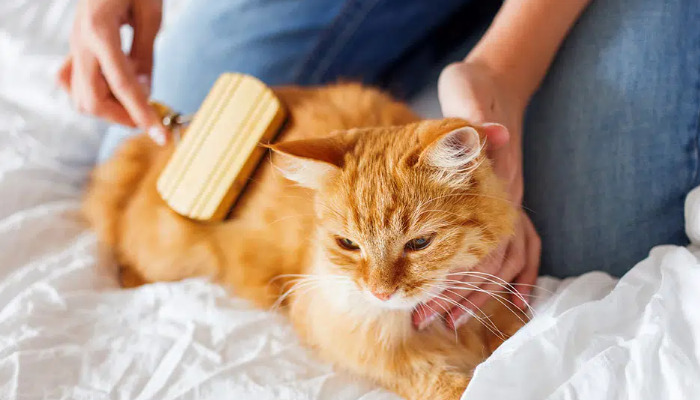
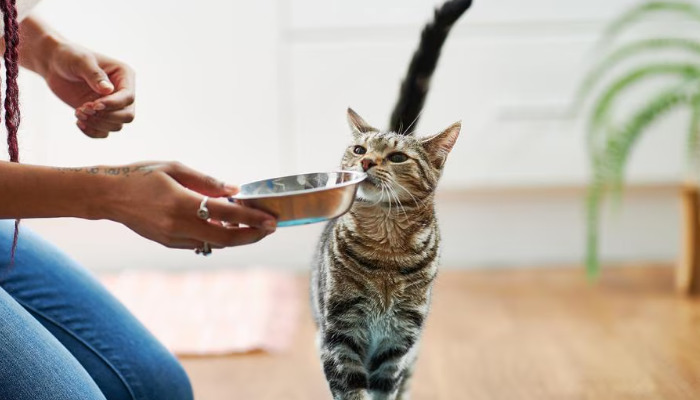
Continue feeding the cat a nutritious, palatable diet unless dietary changes are recommended for underlying issues (like kidney or GI diseases). Offer fresh water and ensure easy access to litter boxes. Gentle grooming can help comfort the cat and provide opportunities to check for subtle changes in coat texture or weight.
Enrichment remains important: safe toys, puzzle feeders, windows with a view, and gentle brushing sessions preserve quality of life.
Communication with the Veterinary Team
Transparency and proactive communication with the veterinary team make a difference. Keep records of all symptoms and changes. Ask questions about what to expect next, potential timelines, and contingency plans. Inquire about experimental treatments only when FIP is confirmed, as many drugs are costly and not risk-free.
Community-Specific Considerations
Shelter and rescue personnel may need to make faster decisions if FIP is suspected in a population, especially with kittens. While individual household risk is low, population-level outbreaks of coronavirus demand prompt hygiene interventions and monitoring.
Dispelling Myths: What Not to Do
Don’t prematurely euthanize or isolate the suspected cat without clear clinical evidence.
Don’t mix or administer unproven products, especially those from unregulated online sources.
Don’t believe FIP is “highly contagious” – the mutation is individual, and the risk to other cats is low without intercurrent illness.
Don’t panic – many cats with coronavirus exposures remain healthy.
Helping Children Understand
For families with children, openness is key. While waiting for a diagnosis, children should know that their pet is “not feeling well” and that the family is taking steps to help. Reassure them hands-on care is safe. Encourage their involvement in gentle care, like reading to the cat or assisting with feeding.
Conclusion
Navigating the days and weeks before an FIP diagnosis is confirmed tests the strength and knowledge of every cat owner. Recognizing what measures are truly necessary, while avoiding excessive anxiety or abrupt lifestyle changes, protects the wellbeing of the cat and household alike. Maintain normal routines, practice sensible hygiene, monitor carefully, and preserve hope. The advances in veterinary medicine mean that even the darkest suspicions of FIP now come with potential pathways to comfort, prolongation of life, and even remission. Through thoughtful care, emotional readiness, and trusted veterinary partnerships, owners can keep their suspected FIP cats safe, secure, and loved.
References
1. Pedersen, N.C. (2009). A review of feline infectious peritonitis virus infection: 1963–2008. Journal of Feline Medicine and Surgery, 11(4), 225–258. https://doi.org/10.1016/j.jfms.2008.09.008
2. Felten, S., & Hartmann, K. (2019). Diagnosis of feline infectious peritonitis: A review. Veterinary Sciences, 6(2), 54. https://doi.org/10.3390/vetsci6020054
3. American Association of Feline Practitioners (2023). Feline Infectious Peritonitis Guidelines. Retrieved from https://catvets.com
4. Addie, D.D., et al. (2022). Feline coronavirus infections – ABCD guidelines. Journal of Feline Medicine and Surgery, 24(7), 753–767. https://doi.org/10.1177/1098612X221078553
5. Kipar, A., & Meli, M.L. (2014). Feline infectious peritonitis: Still an enigma? Veterinary Pathology, 51(2), 505–526. https://doi.org/10.1177/0300985814522077
6. University of California Davis, School of Veterinary Medicine (2021). FIP Treatment and Resources. Retrieved from https://www.vetmed.ucdavis.edu/news/new-hope-fip
7. Hartmann, K. (2005). Feline Infectious Peritonitis. Veterinary Clinics: Small Animal Practice, 35(1), 39–79. https://doi.org/10.1016/j.cvsm.2004.10.003
8. Pesteanu-Somogyi, L.D., Radzai, C., & Pressler, B.M. (2006). Feline Infectious Peritonitis: A review. Journal of Feline Medicine and Surgery, 8(2), 73–84. https://doi.org/10.1016/j.jfms.2005.11.010