Are There Cases of FIP Misdiagnosis
Feline Infectious Peritonitis (FIP) is recognized as one of the most devastating diseases affecting domestic cats. Caused by a mutation of feline coronavirus (FCoV), FIP typically strikes young cats, multi-cat households, and shelters. Despite its significance, diagnosing FIP remains exceptionally difficult even for experienced veterinarians, due to its vague clinical signs and lack of a definitive non-invasive test. One pressing concern within the veterinary community and among cat owners is the potential for misdiagnosis—confusing FIP with other illnesses, or vice versa. Exploring this issue requires a close look at both the clinical presentation and limitations in current diagnostic tools.
Understanding FIP: Causes and Presentation
FIP develops when an otherwise benign feline enteric coronavirus mutates, leading to a virulent strain capable of systemic infection. It predominantly affects cats under two years of age, though all ages are susceptible. Clinical signs can range from mild initial symptoms like fever and lethargy, to severe systemic involvement such as abdominal distension (wet form), or granulomatous inflammatory lesions in organs (dry form).
The wet form is characterized by accumulation of fluid in abdominal or chest cavities, while the dry form presents with mass-like lesions and neurological or ocular signs. Such diversity in symptoms makes FIP a notorious mimic of many other feline diseases.
Common Diseases Mimicking FIP
Misdiagnosis often arises because FIP shares clinical and laboratory features with various other illnesses:
Lymphoma or other cancers: These may cause similar effusions or mass lesions.
Bacterial peritonitis/pleuritis: Also marked by fluid accumulation, lethargy, and lab abnormalities.
Pancreatitis or liver disease: Jaundice, abdominal masses, and vomiting can look like those seen in FIP.
Heart disease: Causes pleural or abdominal effusion resembling the “wet” FIP form.
Toxoplasmosis or other systemic infections: Cause fever and vague systemic signs.
Distinguishing FIP from these conditions is thus critical but notoriously challenging.
Diagnostic Challenges
Clinical Signs and Examination
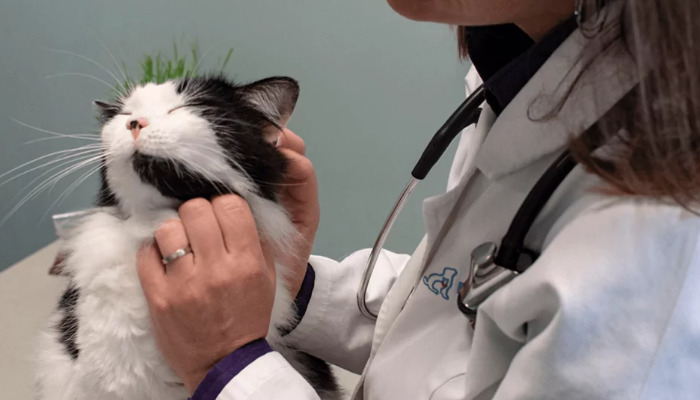
Physical signs including fever, anorexia, weight loss, and fluid buildup are not unique to FIP. Neurological or ocular changes create additional confusion. Many veterinarians rely on exclusion, ruling out other illnesses before considering FIP. However, exclusion-based diagnosis risks missing atypical presentations or coexisting diseases.
Laboratory Diagnostics
Veterinarians typically utilize several diagnostic tools when FIP is suspected:
Bloodwork: Elevated total protein, decreased albumin/globulin ratio, and lymphopenia all suggest FIP but are not specific.
Effusion analysis: In the wet form, effusion fluid typically has high protein content, low cellularity, and is straw-colored. Nevertheless, similar fluid can be seen with other diseases.
PCR testing and antibody titers: PCR may detect FCoV RNA but can't distinguish the mutated FIP-causing strain reliably. Antibody titers merely show exposure to FCoVs, not necessarily the virulent mutation.
These tools, although helpful, have significant overlaps with other diseases, rendering them insufficient for unequivocal diagnosis.
Imaging
Radiographs and ultrasound can detect abdominal or thoracic effusions but can't specify cause. Organ enlargement or nodules visible on imaging may arise from neoplastic, infectious, or inflammatory origins.
Histopathology and Immunohistochemistry
Definitive diagnosis is only possible via immunohistochemistry confirming FCoV antigen within affected tissues, usually obtained post-mortem or through invasive biopsy. Because this is rarely pursued due to risk and cost, most diagnoses remain presumptive.
The Clinical Reality of Misdiagnosis
Prevalence and Documentation
Studies and case reports suggest misdiagnosis rates for FIP are significant, though precise data varies. A survey among North American veterinarians found many cases initially suspected as FIP later proved to be lymphoma and severe bacterial infections. In shelters, respiratory or gastrointestinal illnesses are sometimes mistaken for the early “dry” FIP.
Owner Perspective
Owners often face emotional and financial stress due to the uncertainty in diagnosis. False positives may lead to unnecessary euthanasia or missed opportunities for treatment of other diseases. Conversely, false negatives may delay needed, life-saving FIP therapy.
Treatment Implications
The advent of anti-viral therapies such as GS-441524 derivatives has changed FIP prognosis dramatically. However, accurate diagnosis is pivotal—misdiagnosed non-FIP cases may be exposed to costly, inappropriate treatment.
Advances in FIP Diagnostics
Recent Research
Since 2021, ongoing research has focused on identifying genetic markers for FIP, improved serological and molecular tests, and refining clinical algorithms. Several proprietary RT-qPCR assays attempt to detect mutations unique to FIP-causing strains of FCoV, though limitations persist, including false negatives and cross-reactivity.
Imaging Innovations
More sophisticated imaging modalities, such as CT and MRI, are increasingly explored to differentiate FIP lesions from neoplastic processes, especially in neurological cases. However, these tools are not universally available and remain adjunctive.
Reducing Misdiagnosis: Steps Forward
Combined Approaches
A layered approach—combining clinical evaluation, lab work, imaging, and risk assessment—remains key. The “FIP suspicion index” is one such tool used by some veterinarians, scoring likelihood based on age, origin, laboratory and historical data.
Education and Awareness
Veterinary professionals are encouraged to maintain awareness of FIP’s mimics and the limitations of current diagnostics, participating in educational updates and workshops.
Owner Engagement
Educating owners about the diagnostic process, uncertainties, and possible outcomes is crucial. Involving them in decisions regarding invasive diagnostics or experimental therapies can help mitigate distress.
Case Studies: Illustrative Examples
Case 1: Lymphoma Misdiagnosed as FIP
A three-year-old Domestic Shorthair presented with abdominal effusion and fever. Initial diagnostics suggested FIP. PCR was positive for FCoV, and albumin/globulin ratio was low. However, cytology revealed abnormal lymphocyte population, with subsequent biopsy confirming lymphoma. Timely chemotherapy provided remission—demonstrating the importance of tissue diagnosis.
Case 2: Heart Disease versus Wet FIP
A six-month-old kitten presented with dyspnea and pleural effusion. Initial assessment led to a presumptive FIP diagnosis. However, echocardiogram revealed congenital heart defect. Managing heart disease proved successful, while treating for FIP would have been ineffective and unnecessary.
Case 3: False Negative in FIP Diagnosis
A two-year-old cat in a multi-cat household developed fever, weight loss, and neurological signs. Standard testing was inconclusive. Despite lacking “classic” criteria, immunohistochemistry after death confirmed FIP—a lesson in the disease’s deceptive presentations.
Diagnostic Flowcharts and Algorithms
Several expert groups have published diagnostic decision trees for FIP:
1. Initial Presentation: Suspect FIP in cats with chronic fever, effusion, and weight loss.
2. Differentials: Rule out other causes of effusions, tumors, organ failure.
3. Lab Tests: Check albumin:globulin ratio, lymphocyte count, effusion biochemistry.
4. Imaging: Ultrasonography, radiography.
5. Advanced Testing: PCR, serology, biopsy as needed.
6. Final Diagnosis: If uncertainty remains, consider tissue sampling or post-mortem for confirmation.
Communication Guidelines for Vets and Owners
Transparency: Clearly communicate the diagnostic uncertainty.
Shared Decision Making: Discuss pros and cons of further diagnostics.
Ongoing Monitoring: If definitive diagnosis is unavailable, regular follow-up and monitoring for progression or response to empirical treatment may help clarify.
Conclusion
Misdiagnosis of FIP is a pertinent, clinically significant issue—driven by overlapping clinical signs, limitations in testing, and evolving treatment options. The best outcomes depend on patient-specific diagnosis, continual education, and honest communication between veterinarians and cat owners. Advances in diagnostic tools and ongoing research promise improvements, but it remains critical to understand FIP as a disease of high complexity and diagnostic ambiguity.
References
1. Pedersen, N. C., et al. "Feline infectious peritonitis: update on pathogenesis and diagnostics." Veterinary Clinics of North America: Small Animal Practice, vol. 44, no. 1, 2014, pp. 1-13.
2. Felten, S., et al. "Feline infectious peritonitis: A review of literature and clinical cases." Journal of Feline Medicine and Surgery, vol. 19, no. 7, 2017, pp. 646-656.
3. Stranieri, A., et al. "Feline coronavirus diagnostics: update on laboratory tests and future perspectives." Veterinary Quarterly, vol. 39, no. 1, 2019, pp. 85-93.
4. Kipar, A., Meli, M. L. "Feline infectious peritonitis: still an enigma?" Veterinary Pathology, vol. 51, no. 2, 2014, pp. 505-526.
5. Addie, D. D., et al. "Rule-outs and misdiagnoses: FIP or not FIP?" Journal of Feline Medicine and Surgery Open Reports, vol. 5, no. 1, 2019, 2055116919856107.
6. Tasker, S. "Diagnosis of feline infectious peritonitis: update." Veterinary Medicine and Science, vol. 4, no. 3, 2018, pp. 314-321.
7. Chang, H-W., et al. "Improvements in the diagnosis of feline infectious peritonitis and control of feline coronavirus infection." Viruses, vol. 14, no. 3, 2022, pp. 502-515.
8. Norris, J. M., et al. "Feline infectious peritonitis: answers to frequently asked questions." Journal of Feline Medicine and Surgery, vol. 17, no. 8, 2015, pp. 659-676.
9. Riemer, F., et al. "Clinical and laboratory features of cats with feline infectious peritonitis–a retrospective study of 231 confirmed cases (2000–2010)." Journal of Feline Medicine and Surgery, vol. 18, no. 1, 2016, 389-399.
10. O’Brien, A., et al. "The challenges of diagnosing feline infectious peritonitis: A review." Worlds Small Animal Veterinary Association Congress Proceedings, 2020.