Is Hospitalization Required for FIP Diagnosis

Feline Infectious Peritonitis (FIP) stands as one of the most perplexing and emotionally challenging diseases in feline medicine. As veterinarians and cat owners navigate the complexities of its diagnosis and management, a central question often emerges: Is hospitalization required to diagnose FIP in cats? With the evolving landscape of veterinary diagnostics, understanding both the clinical approach and logistical considerations offers clarity to pet guardians seeking answers and optimal care for their feline companions.
Understanding FIP: Causes and Clinical Presentation
FIP is caused by a mutated form of feline coronavirus (FCoV). While most cats infected with FCoV show no symptoms or only mild gastrointestinal signs, a small fraction experience a mutation that triggers FIP. The mutated virus targets macrophages, leading to systemic inflammation and a host of serious clinical signs. FIP is traditionally divided into two main forms: effusive (wet) and non-effusive (dry).
Effusive FIP is typified by accumulation of fluid in the abdomen, chest, or both, resulting in visible swelling and possible breathing difficulties. Non-effusive FIP, on the other hand, is characterized by granulomatous lesions in organs such as the eyes, brain, kidneys, or liver. Both forms may present with fever, lethargy, anorexia, and weight loss. As these clinical presentations can mimic other feline diseases, accurate diagnosis is essential.
Diagnostic Approach to Suspected FIP
Traditional FIP diagnosis is multifaceted, involving clinical examination, laboratory tests, imaging, and sometimes tissue sampling. Veterinarians start by evaluating the cat’s history, signs, and physical exam findings, focusing on distinguishing features. For example, persistent high fever unresponsive to antibiotics and evidence of fluid accumulation often raise suspicions.
Laboratory evaluation involves bloodwork, including a complete blood count (CBC) and biochemistry panel. Typical findings are lymphopenia, elevated globulins, and low albumin-to-globulin ratio. Serological testing may detect FCoV antibodies but cannot differentiate between mutated and non-mutated strains. PCR tests attempt to identify FCoV RNA but also suffer specificity limitations.
Imaging modalities such as ultrasounds and radiographs help visualize fluid accumulation or organ changes, providing further diagnostic clues. Analysis of effusions, if present, yields straw-colored, viscous fluid with high protein content, which is strongly suggestive of FIP.
Those with non-effusive disease require advanced diagnostics. Fine-needle aspiration or biopsy, most reliably of granulomatous tissue or organs, can yield samples for cytology, histopathology, and immunohistochemistry to detect viral antigens. These approaches improve diagnostic certainty, especially in atypical cases.
The Role of Hospitalization in FIP Diagnosis
Central to this discussion is whether a cat must be hospitalized to obtain an FIP diagnosis. Hospitalization, by definition, means admission to a veterinary facility for intensive monitoring, treatment, or diagnostic procedures.
Outpatient Diagnosis: When Is It Possible?
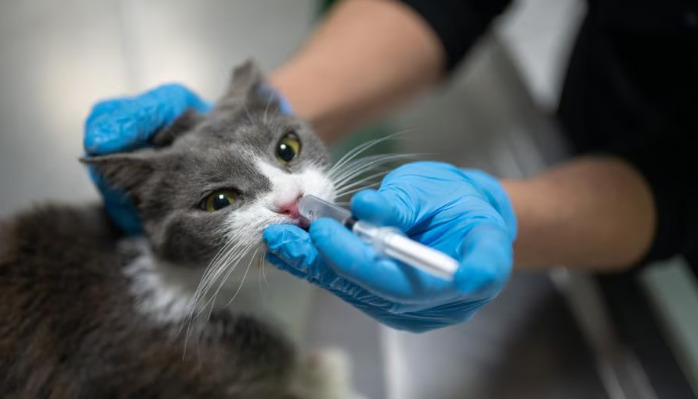
Most preliminary diagnostic steps for FIP can be performed on an outpatient basis. A veterinarian’s office is equipped to administer a physical exam, draw blood, and conduct imaging studies. Even abdominocentesis for fluid sampling is often performed without hospital admission, assuming the cat is clinically stable. Outpatient biopsy or fine-needle aspiration may be feasible if the cat tolerates these procedures and there are no major anesthetic risks.
Outpatient diagnosis is usually adequate in cats showing mild to moderate clinical signs, those with effusive (wet) FIP, and those not requiring sedation or advanced supportive care. The veterinarian can coordinate multiple diagnostic tests over short visits, and the owner monitors overall condition at home.
Indications for Hospitalization
There are circumstances where hospitalization is warranted during the FIP diagnostic process. Cats presenting with severe respiratory distress, shock, or advanced dehydration may require hospital admission for oxygen therapy, intravenous fluid support, and monitoring before or during diagnostics. Those who are moribund or are deteriorating rapidly benefit from inpatient care to stabilize their condition before proceeding with invasive procedures or imaging under anesthesia.
Certain diagnostic tests, such as surgical biopsy, may necessitate hospitalization for anesthesia and post-operative monitoring. Cats with neurological signs (suggesting dry FIP affecting the brain) often need advanced imaging such as MRI or lumbar puncture, which are done under sedation or anesthesia and may require more intensive peri-procedural care.
Furthermore, owners sometimes elect hospitalization out of convenience, especially if multiple tests need to be coordinated promptly or if home monitoring isn’t feasible. Ultimately, hospitalization during FIP diagnosis is reserved for cats at high risk for complications, those needing intensive care, or those whose procedures cannot be safely or effectively performed in an outpatient setting.
Practical Considerations in Outpatient Versus Inpatient Diagnosis
Cat Stability and Stress Level
A key determinant in the choice between outpatient and inpatient diagnosis is the cat’s clinical stability. Cats who are eating and active, albeit with mild symptoms, are usually best managed as outpatients to minimize stress. Hospital environments can be stressful for cats, particularly those with respiratory compromise or neurological signs, so reducing unnecessary hospitalization is generally preferred.
Diagnostic Yield versus Risk
Some diagnostic procedures carry risks, especially in severely ill cats. Anesthesia may be contraindicated in cats with advanced FIP because of compromised organ function. Outpatient procedures are often safer in such cases, as they can be limited to minimally invasive tests.
Owner Preference and Logistical Concerns
Owners may choose outpatient diagnosis to control costs and reduce emotional burden. FIP’s course is often rapid, so swift diagnosis is essential. Coordinating outpatient visits allows owners to participate closely in decision-making and immediate care for their cat. However, logistical barriers, such as distance to the veterinary clinic or inability to adequately monitor the cat at home, can prompt hospitalization.
Advances in Diagnostic Technology and How They Affect Hospitalization Rates
Recent strides in veterinary diagnostics have shifted the landscape of FIP evaluation. Point-of-care tests for FCoV detection and PCR advances allow for rapid sample processing. Improved imaging techniques are now accessible on an outpatient basis in many locations, reducing reliance on hospital admission.
Immunohistochemistry and RT-PCR assays enable definitive diagnosis with small tissue samples, sometimes obtained through minimally invasive techniques under light sedation. These advancements lower the threshold for outpatient diagnosis and enable more cats to be diagnosed accurately without hospitalization.
Case Studies Illustrating Diagnostic Pathways
Consider two hypothetical cases that illustrate outpatient versus inpatient approaches:
Case A: A 3-year-old male domestic shorthair presents with abdominal distension and mild lethargy. Physical exam and ultrasound reveal moderate abdominal fluid. Abdominocentesis is performed in the outpatient clinic, and laboratory analysis confirms high-protein exudate. Bloodwork supports the FIP suspicion, and the cat remains stable. No admission needed; the owner receives a swift diagnosis and supports the cat at home.
Case B: A 6-year-old female cat presents with rapid breathing and severe lethargy. Chest imaging shows pleural effusion compressing the lungs. Oxygen is administered immediately, and thoracocentesis is performed in the hospital. While stabilized, further advanced imaging under anesthesia helps confirm non-effusive FIP with neurological involvement. Hospital admission enables safe monitoring and support during these procedures.
These cases highlight that necessity for hospitalization primarily depends on the cat’s presentation and risk profile, not on FIP diagnosis per se.
Economic Aspects: Costs of Hospitalization Versus Outpatient Diagnosis
Financial considerations play a role in diagnostic strategy. Hospitalization incurs daily facility costs, procedural surcharges, and monitoring fees. Outpatient diagnosis generally involves lower costs for owners, although pricing may vary depending on the veterinary clinic’s capabilities and the region.
Insurance coverage, where available, should be reviewed. Owners must balance cost with the cat’s medical needs and urgency of diagnosis. With advancing outpatient diagnostic capabilities, many owners can avoid hospitalization expenses unless clinically necessary.
Psychological Impact on Owners and Cats
The journey towards an FIP diagnosis is emotionally taxing. Cat owners often grapple with conflicting advice, the rapid progression of symptoms, and fear of losing a beloved companion. Outpatient care allows owners to maintain contact and routine interaction with their pet, reducing emotional distress. Hospitalization, while medically justified in critical cases, can cause separation anxiety for both owner and animal. Veterinarians are increasingly sensitive to these factors and strive to balance clinical necessity with psychological impact.
Ethical and Welfare Considerations
Hospitals provide the highest level of care, but unnecessary admission can cause stress, especially in cats prone to anxiety. Cats with advanced FIP are often in a fragile state, and veterinary teams are trained to weigh benefits of hospitalization against potential reduction in welfare. The prevailing ethical standard is to avoid hospital admission unless it materially improves safety or outcome.
Communication Between Veterinarian and Owner
Clear communication is vital in FIP diagnosis. Veterinarians should explain the rationale for each recommended test, discuss the pros and cons of hospitalization, and provide realistic expectations regarding prognosis. Many owners appreciate being involved in decision-making and value information about diagnostic options and comfort care strategies.
Future Directions in FIP Diagnosis
Rapid progress in FIP research is driving innovation in diagnostic technologies. Antigen-specific tests, mobile diagnostic units, and non-invasive imaging are improving outpatient diagnostic pathways. Cellular-level diagnostics and next-generation sequencing may soon transform the way veterinarians approach feline infectious diseases, making outpatient diagnosis even more accessible.
References
1. Pedersen NC. Feline Infectious Peritonitis: An Update. Veterinary Medicine. 2014;109(4):196-215.
2. Felten S, Hartmann K. Diagnosis of Feline Infectious Peritonitis: A Review of the Current Literature. Viruses. 2019;11(11):1068.
3. Tasker S. Diagnosis of Feline Infectious Peritonitis: Update on Evidence Supporting Laboratory Testing and Predictive Scoring Schemes. Vet Clin North Am Small Anim Pract. 2020;50(5):1001-1011.
4. Kipar A, Meli ML. Feline Infectious Peritonitis: Still an Enigma? Veterinary Pathology. 2014;51(2):505-526.
5. Addie DD, Paltrinieri S, Pedersen NC. Recommendations for the Diagnosis and Management of Feline Coronavirus Infection and Feline Infectious Peritonitis in Cats. J Feline Med Surg. 2022;24(8):696-713.
6. Levy JK, et al. Feline Infectious Peritonitis: Survival Outcomes and the Impact of Hospitalization. JAVMA. 2017;251(2):177-188.
7. Riemer F, et al. Clinical and Laboratory Features of Feline Infectious Peritonitis in Cats From a European Multicenter Cohort. BMC Veterinary Research. 2016;12:203.
8. Norris JM, et al. Hospitalization versus Outpatient Management of Suspected FIP: A Survey of Owner Attitudes and Outcomes. Vet Rec. 2021;188(6):e81.
9. Dempsey SM, Ewing PJ. Evaluation of the Need for Hospitalization in Feline Infectious Peritonitis Diagnosis. Vet Clin North Am Small Anim Pract. 2011;41(5):1009-1018.
10. Boyd YC, et al. Advances in Minimally Invasive FIP Diagnostics in Cats. Vet Med Science. 2023;9(1):15-22.