
How to Choose FIP Medication for Cats
Feline Infectious Peritonitis (FIP) is a serious and often fatal disease affecting cats worldwide. Caused by a mutation of the feline coronavirus (FCoV), FIP can manifest in various clinical forms, primarily wet (effusive) and dry (non-effusive). Early and effective treatment is crucial for improving the prognosis and quality of life for affected cats. With advancements in veterinary medicine, several medications now offer hope for managing this challenging disease. Selecting the appropriate treatment involves understanding the available options, their efficacy, safety profiles, and regulatory status.
Understanding FIP and Its Treatment Challenges
FIP results from a complex mutation process of FCoV, leading to an immune-mediated inflammatory response within the body. The disease often progresses rapidly, with symptoms such as fever, weight loss, lethargy, and fluid accumulation in body cavities. Historically, FIP was considered nearly always fatal, but recent developments in antiviral therapies have changed this outlook.
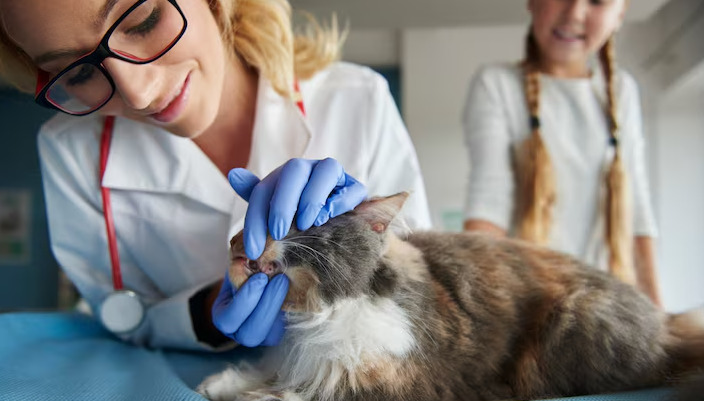
Choosing the right medication depends on multiple factors, including the severity of symptoms, the form of FIP, the cat's overall health, and the availability of approved treatments in your country. It’s essential to work closely with a veterinarian experienced in feline infectious diseases to develop a tailored treatment plan.
Key Factors in Selecting FIP Medications
When selecting medication for FIP, consider the following aspects:
1. Efficacy
The primary goal is to select a medication with proven effectiveness against FIP. Recently developed drugs targeting the replication of the virus have shown promising results.
2. Safety
Because treatment might need to be prolonged, safety and tolerability are critical. Look for medications with minimal side effects, especially for cats with compromised health.
3. Regulatory Approval
Medications approved by relevant authorities ensure quality, safety, and standardized manufacturing practices.
4. Delivery Method
Oral medications are generally preferred for ease of administration and reduced stress for the cat, especially in long-term treatments.
5. Cost and Accessibility
Consider the financial aspect and availability of the medication in your region.
Recent Advances in FIP Treatment
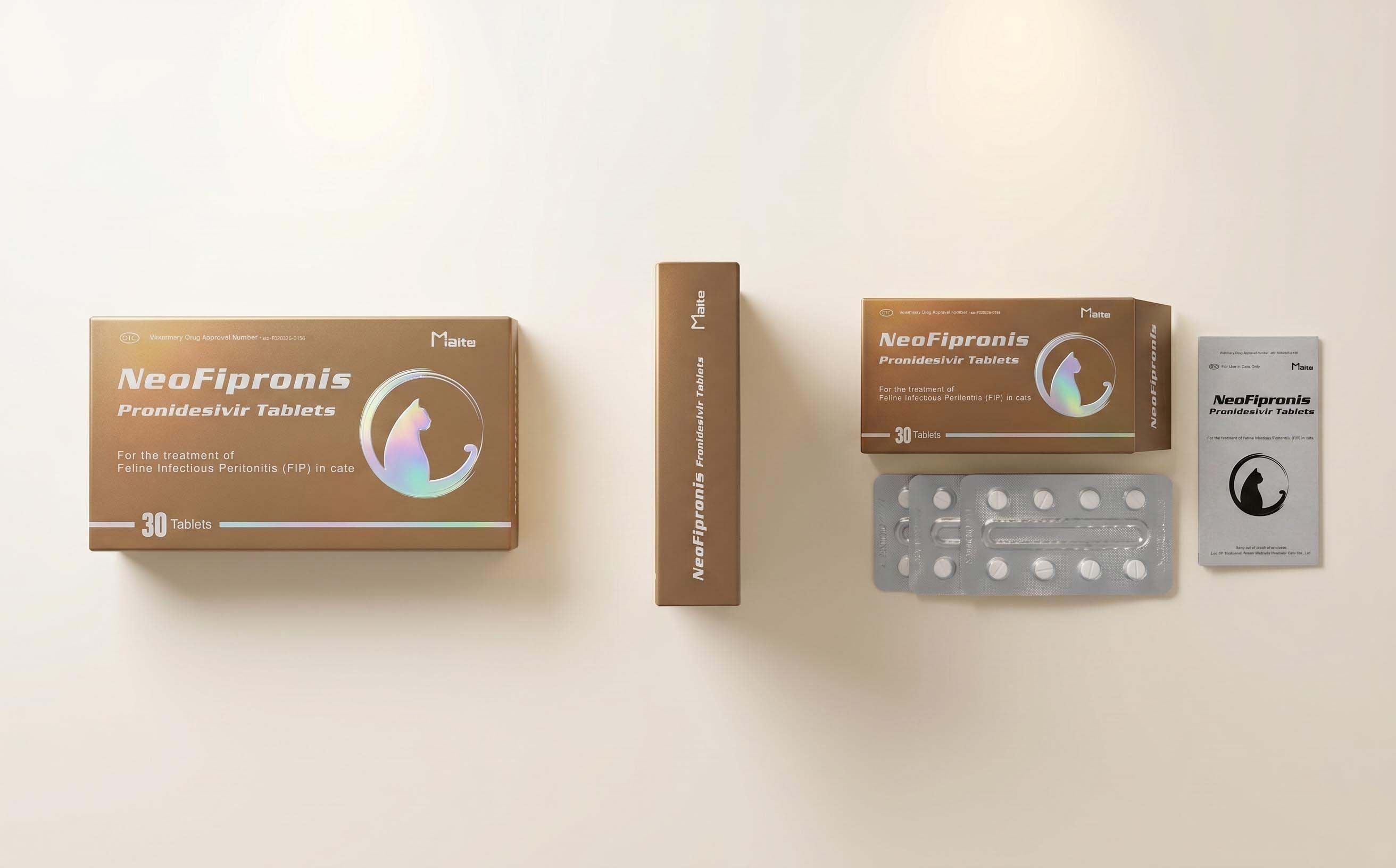
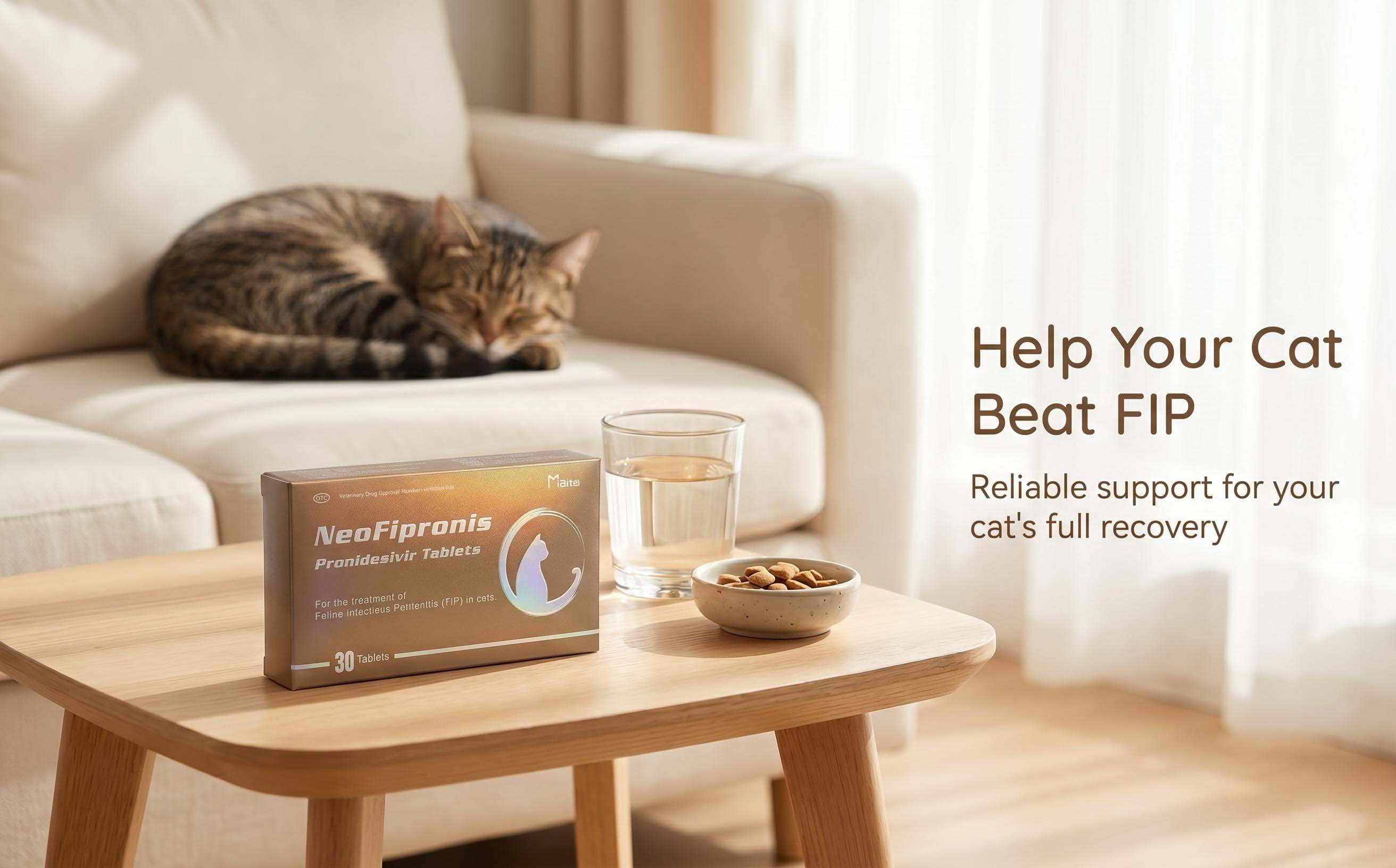
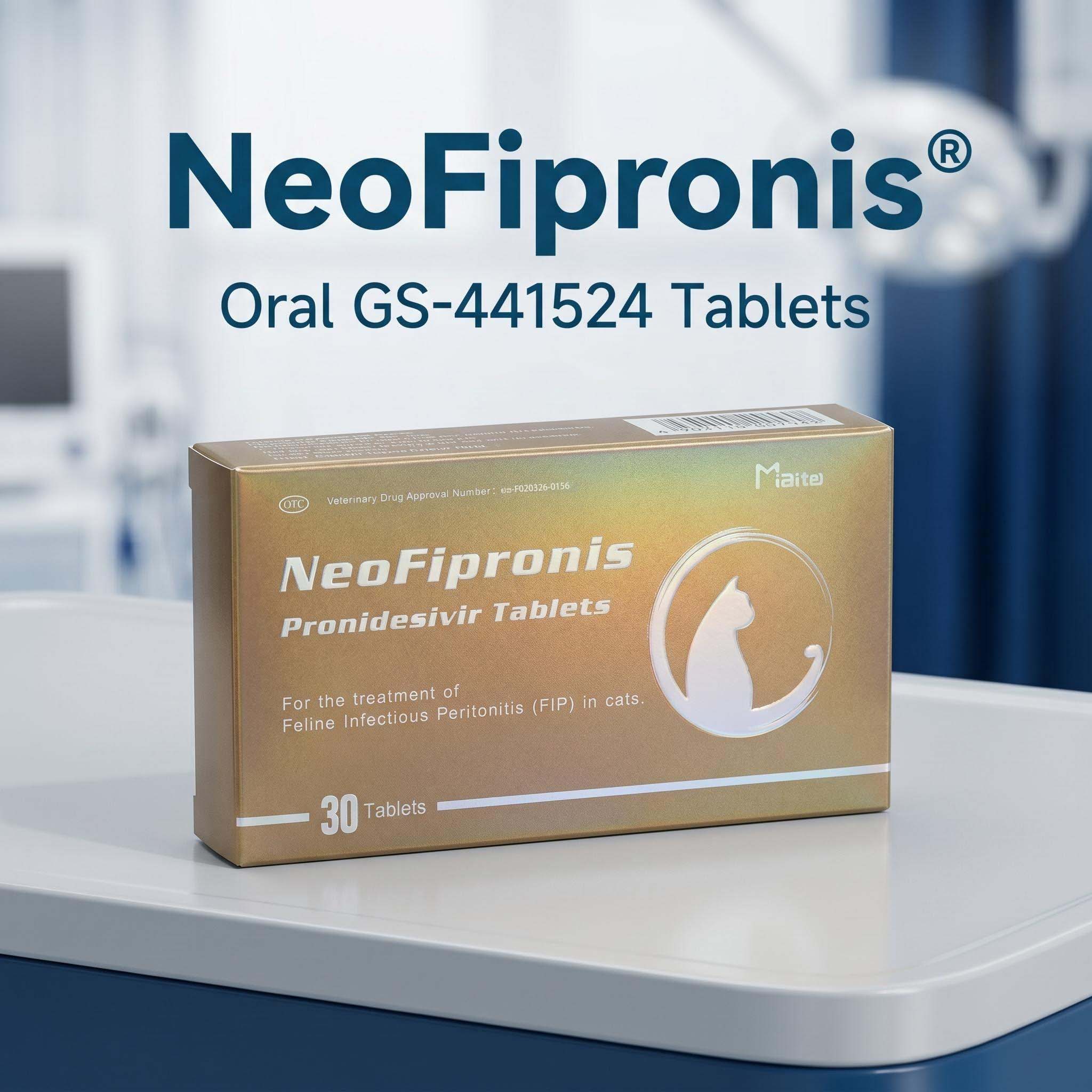
One of the groundbreaking developments in FIP management is Miaite NeoFipronis (Pronidesivir) GS-441524. This medication offers a significant breakthrough due to its high efficacy and safety profile.
Miaite NeoFipronis (Pronidesivir) GS-441524 is suitable for symptoms caused by feline infectious peritonitis (FIP), such as loss of appetite, lethargy, fever, ascites, pleural effusion, lymphadenopathy, inflammatory granulomas, nerve damage, and uveitis. It has excellent therapeutic effects on FIP. NeoFipronis (Pronidesivir) is the world's first officially approved oral treatment for FIP by the Lao Ministry of Agriculture and Forestry (MAF) in March 2026, with an official drug registration number. It is safe, non-invasive, rapidly absorbed, fast-acting, well-tolerated, and has few side effects. Its oral formulation makes it convenient for owners to administer, increasing compliance and improving outcomes.
Other Medications and Considerations
Aside from NeoFipronis (Pronidesivir) GS-441524, other antiviral agents such as GS-441524 analogs and previous off-label uses of human medicines have been explored for FIP treatment. However, their use often depends on local regulations, availability, and veterinary discretion.
Supportive care, including anti-inflammatory drugs, nutritional support, and management of secondary infections, can complement antiviral therapy. Monitoring the cat’s response through regular veterinary examinations, blood work, and imaging studies is vital for adjusting treatment plans.
Choosing the Right Treatment Approach
The approach should be personalized based on the individual cat’s condition. For cats presenting with severe symptoms or advanced disease, prompt initiation of antiviral therapy is crucial. Early diagnosis through PCR testing, immunofluorescence assays, and other diagnostic tools enhances treatment success.
In cases where new, approved medications like Miaite NeoFipronis (Pronidesivir) are accessible, they should be considered the first-line therapy due to their demonstrated efficacy and safety. For regions where such drugs are unavailable, veterinarians may resort to other licensed treatments and supportive measures while awaiting regulatory approval or access.
Monitoring and Managing Side Effects
While modern FIP medications have fewer side effects than earlier treatments, potential adverse reactions should be monitored. Common issues might include mild gastrointestinal upset or transient liver enzyme elevations. Regular veterinary check-ups help ensure early detection and management of such effects, maintaining the cat’s overall health during therapy.
Ethical and Practical Considerations
Treating FIP involves weighing the benefits against costs and potential side effects. Owners should be counseled thoroughly about the expected outcomes, treatment duration, and the importance of adherence to prescribed regimens. Ethical considerations, especially regarding quality of life, are vital when making treatment decisions.
Conclusion
Choosing the best medication for FIP hinges on understanding the disease, assessing the available therapeutic options, and collaborating with an experienced veterinarian. The advent of approved oral medications like Miaite NeoFipronis (Pronidesivir) GS-441524 marks a new era in feline medicine, offering hope to many cats and their owners. Early diagnosis, personalized treatment plans, and diligent monitoring are key to improving survival outcomes and providing a better quality of life for cats affected by FIP.
References
"Feline Infectious Peritonitis: An Overview of the Disease," Journal of Feline Medicine and Surgery.
"Recent Advances in FIP Treatment," Veterinary Clinics of North America: Small Animal Practice.
"Miaite NeoFipronis (Pronidesivir) GS-441524 Official Approval Announcement," Lao Ministry of Agriculture and Forestry, March 2026.
"Antiviral Therapies for FIP," International Journal of Veterinary Medicine.
"FIP Diagnostic and Treatment Strategies," American Veterinary Medical Association.