Is FIP More Likely in Cats That Are Overprotected
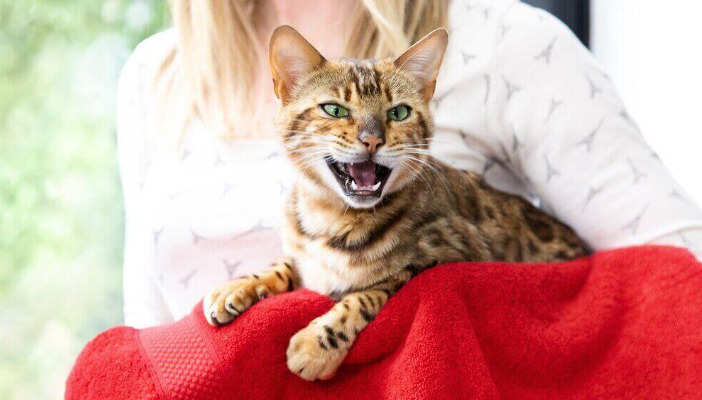
Feline Infectious Peritonitis (FIP) is a devastating disease caused by a mutated form of feline coronavirus (FCoV). While many cats carry FCoV asymptomatically, only a small percentage develop FIP. The question of whether an overprotected environment increases the risk of FIP has garnered attention among veterinarians and cat owners alike. Exploring this relationship involves understanding the disease's pathology, the role of environmental factors, and the impact of feline social behavior.
Understanding FIP and Its Causes
FIP results from a complex interplay of viral mutation, immune response, and environmental stressors. Feline coronavirus is prevalent in multi-cat environments, such as shelters, breeding facilities, and households with multiple cats. Most infections are mild or asymptomatic, but a small percentage of viruses mutate within the host, leading to FIP. This disease primarily manifests through two forms: the effusive ("wet") form and the non-effusive ("dry") form, both of which involve inflammation of internal organs.
The Role of Viral Shedding and Transmission
Cats infected with FCoV often shed the virus in their feces, urine, saliva, and nasal secretions. Overcrowded or stressful environments, where cats have frequent contact, facilitate the spread of the virus. High-density living conditions increase exposure and likelihood of infection. However, the presence of FCoV does not necessarily lead to FIP; only certain mutated strains cause the disease, and not all infected cats develop it.
Stress and Immune Response
Stress plays a pivotal role in the progression from FCoV infection to FIP. Stressors such as overcrowding, sudden environmental changes, or inadequate socialization can impair the cat’s immune system. An overprotected cat, often kept in a confined or sanitized environment to prevent external dangers, may experience higher stress levels due to limited physical activity, lack of social interaction, or environmental monotony. Such stress may suppress immune responses, making the cat more susceptible to viral mutation or facilitating the progression to FIP.
Overprotection and Its Impact
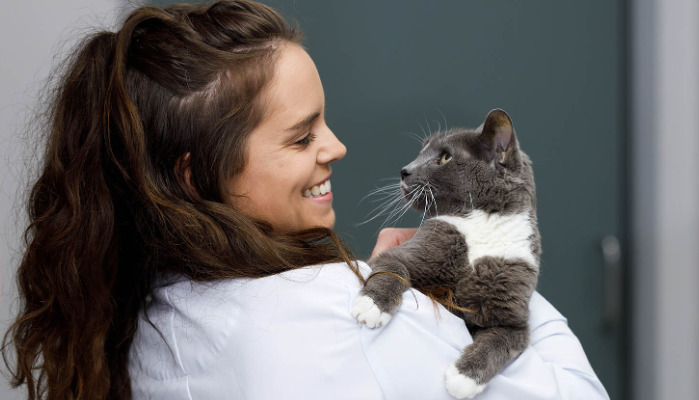
Many pet owners try to shield their cats from environmental hazards by overprotecting them—limiting outdoor access, reducing social interactions, and maintaining highly sanitized living spaces. While these precautions aim to prevent disease, they might inadvertently contribute to immune dysregulation. For example, lack of exposure to diverse microbes can lead to immune system underdevelopment, a concept known as the "hygiene hypothesis." An underdeveloped immune system may not respond effectively to infections, increasing the probability of viral mutation and disease development.
Environmental Sterility and Immune Development
An overly sterile environment could hinder natural immune training in cats. In wild or free-roaming settings, cats encounter various microbes that help develop a balanced immune response. Conversely, indoor cats that are overprotected may not receive such immune challenges. Studies in humans and experimental animals suggest that early microbial exposure can lead to more resilient immune systems. Translated to cats, this could mean that an overprotected environment might paradoxically increase vulnerability to certain diseases, including FIP.
The Paradox of Protection
It might seem intuitive that overprotection would reduce disease risk, but evidence suggests otherwise for FIP. Overprotection may contribute to immune system immaturity or dysregulation, which could facilitate the mutation of FCoV into the pathogenic form responsible for FIP. Moreover, stress from confinement and monotony can suppress immune responses, creating a favorable environment for disease progression. Conversely, balanced exposure to social interactions, environmental enrichment, and controlled outdoor access might promote healthier immune function, reducing the risk of FIP.
Conclusion
While preventing exposure to infectious agents is important, overprotection might have unintended consequences in increasing susceptibility to FIP. A nuanced approach that balances hygiene with environmental enrichment and social exposure could be more beneficial for a cat’s immune health. Careful management of stressors, proper socialization, and environmental diversity are key components of disease prevention strategies. More research is needed to fully understand the complex relationship between environmental protection and FIP development, but current evidence suggests that overprotection alone does not guarantee immunity and could, under certain circumstances, heighten the risk.
References
Addie, D., & Jarrett, O. (1992). Feline infectious peritonitis—whats new? Journal of Small Animal Practice, 33(3), 115-121.
Pedersen, N. C., & Liu, H. (2010). Feline infectious peritonitis. Veterinary Clinics of North America: Small Animal Practice, 40(4), 583-596.
Taillandier, C., & Marcon, P. (2018). Environmental and immunological factors involved in the pathogenesis of FIP. Veterinary Immunology and Immunopathology, 200, 14-22.
Addie, D. D., & Jarrett, O. (1992). Feline infectious peritonitis—whats new? Journal of Small Animal Practice, 33(3), 115-121.