How to Prevent Cats From Getting FIP
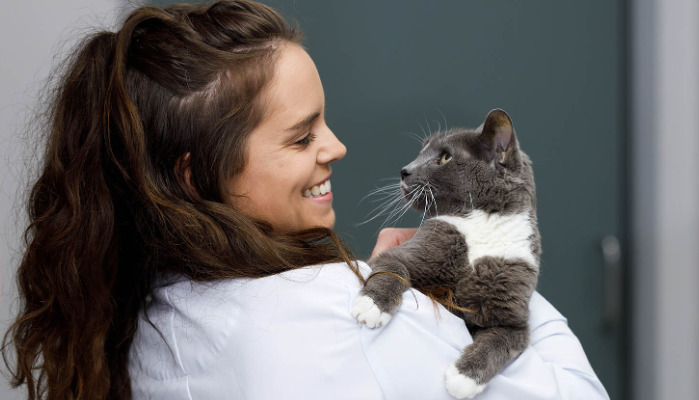
Feline Infectious Peritonitis (FIP) is a serious, often fatal disease caused by a mutated form of the feline coronavirus (FCoV). While no guaranteed method exists to prevent FIP entirely, understanding and implementing effective strategies can significantly reduce the risk of infection and disease development. Below are key measures that cat owners and caregivers can adopt to minimize exposure and enhance their feline friends’ health.
Maintain Strict Hygiene and Sanitation Protocols
Frequent cleaning of litter boxes, bedding, feeding areas, and toys with disinfectants effective against coronaviruses can reduce viral load in the environment. Since FCoV primarily transmits via fecal-oral routes, minimizing environmental contamination is crucial. Regularly washing hands after handling different cats prevents cross-contamination. Disinfection protocols should include using agents like bleach solutions (diluted appropriately) and commercial disinfectants proven effective against feline coronavirus.
Reduce Stressful Situations and Overcrowding
Stress can suppress a cat’s immune response, making it easier for FCoV to mutate into the virulent form causing FIP. Avoid sudden changes in routine, overcrowding, and exposure to aggressive or anxious cats. Creating a calm, stable environment supports immune health and diminishes the likelihood of viral mutation. Providing ample space, hiding spots, and regular play can help maintain psychological well-being.
Limit Exposure to FCoV-Shedding Cats
Since FCoV is highly contagious among cats, especially in multi-cat environments, identifying and isolating shedding cats can dramatically decrease transmission risks. Regular fecal testing allows owners to identify carriers. When possible, segregate virus shedders from healthy cats, particularly in shelters, catteries, or breeding facilities. This separation must be maintained consistently to prevent cross-infection.
Implement Proper Quarantine and Introductory Procedures
Introducing new cats into an existing household poses infection risks. Quarantine new arrivals for at least two weeks, during which they undergo health checks and fecal testing for FCoV. During quarantine, minimize contact with resident cats and change protective clothing to prevent viral spread. Gradually introduce new cats once they are confirmed healthy and free of FCoV shedding.
Ensure Adequate Nutrition and Boost Immune Function
A balanced diet rich in essential nutrients supports overall health and immune resilience. Nutritional deficiencies can impair the body’s ability to fight infections, including FCoV mutations. Consult veterinarians to select high-quality commercial diets or tailor a homemade menu that meets the needs of individual cats. Supplements like antioxidants or immune-stimulating agents may also offer protective benefits but should only be used under professional guidance.
Monitor Cats Regularly for Early Signs of Illness
Early detection of FIP symptoms—such as weight loss, lethargy, fever, or abdominal distension—allows prompt veterinary intervention. Routine wellness checks and blood tests can identify underlying health issues before disease progression. Maintaining detailed health records facilitates tracking any changes that might indicate infection or immune compromise.
Vaccination and Medical Advances
Currently, available FIP vaccines have limited efficacy and are not universally recommended. However, staying informed about new developments in feline medicine is vital. Ongoing research into antiviral therapies and vaccine improvements might soon provide more reliable prevention options. Consult with veterinary professionals about emerging options and participate in appropriate health programs.
Environmental Management and Routine Health Procedures
Maintaining a virus-free environment extends beyond cleaning. Proper ventilation, controlling humidity, and avoiding exposure to sick animals or contaminated areas reduce viral survival chances. Regular health check-ups, parasite control, and prompt treatment of illnesses support robust immune defenses, decreasing the risk of FCoV mutation into FIP.
Genetic and Individual Susceptibility
Certain breeds or individual cats may be more susceptible to FIP development due to genetic factors. While this aspect is less controllable, awareness of a cat’s background can inform preventative strategies. Selecting cats from healthy, FCoV-free breeding lines and minimizing genetic predispositions can be beneficial.
Community and Shelter Management
In multi-cat settings such as shelters, implementing strict quarantine protocols, reducing stress, improving hygiene, and regular health screening are critical. Staff training ensures adherence to biosecurity measures. Educating caregivers about FIP transmission can foster compliance, ultimately decreasing infection rates to protect entire feline populations.
Insight and Emerging Perspectives
Recent findings suggest that controlling environmental viral load and reducing unnecessary stress are among the most effective strategies to prevent FIP. Emerging antiviral treatments and vaccines offer hope but require cautious integration into preventive routines. An integrated approach combining hygiene, environment, genetic considerations, and medical advancements could reshape how FIP prevention is approached in the future.
References
1. Pedersen, N. C. (2014). An Update on Feline Infectious Peritonitis: Diagnostics and Vaccines. Veterinary Clinics of North America: Small Animal Practice, 44(2), 367–377.
2. addie, D. D., & Jarrett, O. (1995). Feline Coronavirus and Feline Infectious Peritonitis. Aspects of Feline Infectious Peritonitis. Journal of Feline Medicine and Surgery, 2(1), 27–34.
3. Hartmann, K. (2012). Feline vaccination and immunity. The Veterinary Clinics of North America: Small Animal Practice, 42(4), 679–684.
4. Troyer, J. L., & Pedersen, N. C. (2014). The biology of feline infectious peritonitis virus infection and prevention. Advances in Veterinary Medicine, 9, 113–130.
5. Addie, D. D., & Jarrett, O. (2017). Feline coronavirus and infectious peritonitis. In Practice, 39(4), 157–165.