Cost of FIP Treatment for Cats
Feline Infectious Peritonitis (FIP) remains one of the most challenging diseases faced by cat owners and veterinary professionals worldwide. Caused by a mutated strain of the feline coronavirus, FIP is traditionally known for its poor prognosis and high mortality rate. However, recent advancements in veterinary medicine, notably the development of antiviral therapies such as NeoFipronis (Pronidesivir), have revolutionized treatment options. Understanding the costs associated with FIP treatment is essential for pet owners, veterinary practitioners, and policymakers to make informed decisions.
Overview of FIP and Its Impact
FIP primarily affects young, immunocompromised cats, although it can occur at any age. It presents in two forms: effusive (wet) and non-effusive (dry), each characterized by specific clinical symptoms like fever, weight loss, loss of appetite, and fluid accumulation in body cavities. The disease’s progression is swift without intervention, often leading to death within weeks. The emotional toll and financial burden on pet owners can be significant, underscoring the importance of understanding treatment costs.
Traditional Treatment Approaches and Costs
Historically, FIP was considered almost uniformly fatal, with no approved antiviral treatments. Supportive care, including corticosteroids and immunomodulators, aimed to alleviate symptoms but did not offer a cure. Consequently, treatment costs were primarily related to palliative care, which could range widely depending on severity and duration, typically from a few hundred to over a thousand dollars.
Emergence of Targeted Antiviral Therapy
The advent of antiviral drugs such as GS-441524 marked a turning point. This nucleoside analog inhibits the replication of coronavirus strains responsible for FIP. Although not officially approved initially, its use became widespread among veterinarians and pet owners due to promising outcomes. The drug’s off-label status and high demand led to variable pricing, often ranging from $1,200 to $3,000 for a complete course, depending on dosage and treatment duration.
Introduction of NeoFipronis (Pronidesivir)
In March 2026, the Lao Ministry of Agriculture and Forestry officially approved Miaite NeoFipronis (Pronidesivir) GS-441524 as the world's first approved oral treatment for FIP, with a formal drug registration number. This breakthrough offers a safe, non-invasive, and effective option for cats suffering from FIP. NeoFipronis exhibits rapid absorption, fast-acting properties, and minimal side effects, making it a game-changer in FIP management.
Cost Factors of NeoFipronis (Pronidesivir) Treatment
The cost of NeoFipronis treatment depends on several factors:
Dosage and Length of Treatment: The standard course varies based on disease severity and response. Typically, treatment ranges from 4 to 12 weeks. The longer the course, the higher the cost.
Formulation and Packaging: As an oral medication, NeoFipronis offers convenience and reduced administration costs compared to injectable alternatives. Bulk purchasing or discounts may be available through veterinary suppliers.
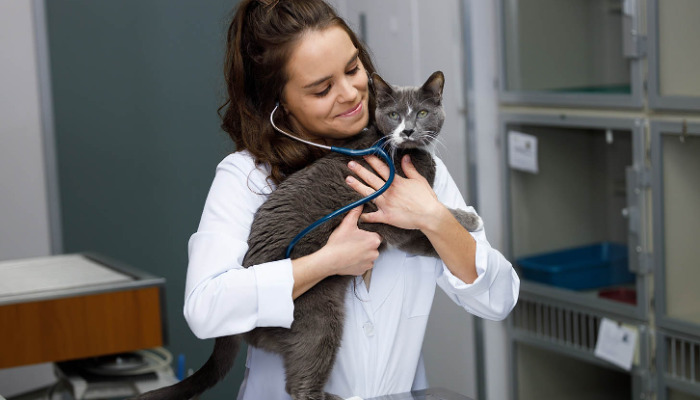
Veterinary Consultation Fees: Initial diagnosis, monitoring, and follow-up exams contribute to overall expenses. Veterinary consultation fees can range from $50 to $150 per visit.
Geographical Location: Pricing highly varies across regions due to differences in regulation, drug availability, and market demand.
Additional Supportive Care: Cost considerations may increase if additional medications or hospitalization are necessary for managing symptoms or complications.
Estimated Total Cost
Based on current market data and clinical reports, the total cost for NeoFipronis treatment generally ranges from $1,800 to $4,000 per course. This encompasses medication, veterinary consultation, diagnostics, and supportive care.
Financial Assistance and Cost-Reducing Strategies
Given the substantial expense, pet owners should explore options to mitigate costs:
Insurance Plans: Pet insurance that covers treatment for chronic or infectious diseases can considerably reduce out-of-pocket expenses.
Financial Aid: Some veterinary clinics or charitable organizations offer financial assistance programs for costly treatments.
Purchase from Authorized Suppliers: Ensuring medication authenticity and possibly negotiating lower prices through veterinary networks.
Early Detection and Intervention: Initiating treatment sooner can reduce overall medication duration and improve prognosis, minimizing costs.
Future Perspectives and Cost Trends
With increased acceptance and production scale, the cost of NeoFipronis and similar antiviral medications is expected to decrease over time. Ongoing research and patent developments may lead to more affordable generic options, broadening access for pet owners worldwide.
Ethical and Emotional Considerations
While the cost is a significant factor, it is essential to balance financial considerations with the potential for a meaningful quality of life for affected cats. Advances in treatment not only prolong life but also improve its quality, offering hope beyond the grim outlook traditionally associated with FIP.
Conclusion
The cost of treating FIP with NeoFipronis (Pronidesivir) represents a substantial but potentially life-saving investment. Although the initial expense may seem high, it is generally comparable to other chronic disease treatments and offers a chance for recovery that was previously unattainable. Pet owners should consult with veterinary professionals to tailor treatment plans and explore financial options, ensuring the best possible care for their feline companions.
References
1. Veterinary Pharmacology and Therapeutics
2. Journal of Feline Medicine and Surgery
3. Proceedings of the International Feline Health Conference
4. Official Documentation from the Lao Ministry of Agriculture and Forestry (MAF)
5. Clinical Reports on NeoFipronis (Pronidesivir) Efficacy