How to determine if a cat has Feline Infectious Peritonitis (FIP)
Understanding FIP Diagnosis
Feline Infectious Peritonitis (FIP) remains one of the most challenging diseases for cat owners and veterinarians due to its complex diagnosis. Since FIP is caused by certain mutated strains of feline coronavirus (FCoV), not all cats infected with FCoV develop FIP. Recognizing signs and employing appropriate diagnostic tools are crucial steps in identifying this illness accurately.
Clinical Signs and Presentation
Key Indicators
FIP typically manifests in two forms: effusive (wet) and non-effusive (dry).
Wet form often presents with abdominal distension caused by fluid accumulation, breathing difficulties due to thoracic effusion, and lethargy.
Dry form may exhibit ocular or neurological symptoms, such as uveitis, neurological deficits, or weight loss without significant fluid build-up.
Timing and Progression
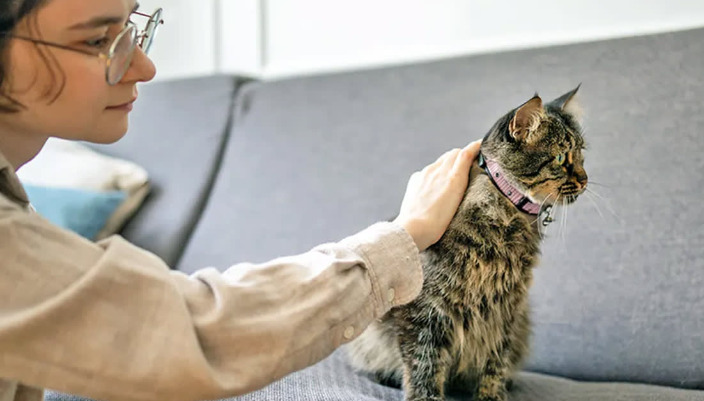
Changes appear gradually; initial signs can be subtle, including decreased appetite, fever, and reluctance to move, often mistaken for other conditions. Monitoring symptom progression is essential for suspicion.
Laboratory Assessments
Complete Blood Count (CBC)
Common findings include elevated neutrophils, lymphopenia, or anemia, but these are non-specific. They provide supporting evidence rather than definitive diagnosis.
Serum Biochemistry
Elevations in liver enzymes or hyperglobulinemia may suggest systemic inflammation but are not exclusive to FIP.
Analysis of Effusions
In wet FIP, the accumulated fluid is often straw-colored, viscous, and protein-rich. Tests show high protein content (>3.5 g/dL) and a low to moderate cellularity predominantly composed of macrophages.
Feline Coronavirus Testing
Detecting FCoV antibodies or RNA can confirm exposure but cannot distinguish FIP-causing strains from benign ones. Seropositivity alone is insufficient for a definitive diagnosis.
Advanced Diagnostic Techniques
Immunohistochemistry (IHC)
This methodology involves detecting FCoV antigen within tissue macrophages obtained via biopsy or post-mortem. Its high specificity makes it the gold standard for confirming FIP.
Polymerase Chain Reaction (PCR)
PCR testing identifies FCoV RNA in blood, effusions, or tissue samples. While sensitive, it might produce false positives because of harmless FCoV presence, thus requiring correlation with clinical findings.
Imaging Studies
Ultrasound can help visualize abdominal fluid and organ abnormalities, while radiographs might reveal pleural effusions or granulomatous lesions. However, imaging alone cannot confirm FIP.
Histopathological Examination
Post-Mortem Analysis
Necropsy often shows characteristic granulomatous inflammation in organs, with perivascular pyogranulomas. Confirming FIP involves detecting viral antigen within these lesions.
Biopsy Sampling
In live animals, targeted biopsies of affected organs, such as the kidney, liver, or lymph nodes, assist in obtaining tissues for histological and IHC analysis, increasing the certainty of diagnosis.
Emerging Diagnostic Approaches
Innovative techniques such as quantitative PCR assays and serological profiling are under investigation to improve accuracy. Researchers are also exploring biomarkers like acute-phase proteins and cytokine levels to distinguish FIP from other feline diseases more reliably.
Practical Considerations in Diagnosis
Given the overlap of FIP symptoms with other feline illnesses, a comprehensive approach combining clinical observations, laboratory tests, imaging, and tissue analysis enhances diagnostic confidence. It is vital to interpret test results within the context of the cat’s history and presentation, rather than relying solely on a single diagnostic modality.
Some experts advocate for a process of elimination and stepwise testing, prioritizing non-invasive methods before progressing to invasive procedures like biopsy, which carry risk but yield definitive results.
Final Reflections
The diagnostic landscape of FIP continues to evolve. While recent advances have brought clarity, the disease’s complexity persists. Accurate diagnosis hinges on integrating multiple data points, understanding the limitations of each test, and recognizing that no single test provides absolute certainty. An attentive, nuanced approach not only informs treatment decisions but also influences the prognosis and quality of life for affected cats.