How Much Does It Cost to Cure FIP
Feline Infectious Peritonitis (FIP) is a severe, often fatal disease caused by certain strains of the feline coronavirus. In recent years, advances in veterinary medicine have led to the development of antiviral treatments that can improve outcomes for cats diagnosed with FIP. However, understanding the cost associated with these treatments is crucial for pet owners facing this diagnosis. This article explores various factors influencing treatment expenses, including medication costs, diagnostic procedures, veterinary care, and supportive therapies.
Diagnostic Expenses
Accurate diagnosis of FIP comprises a significant portion of the total cost due to the complexity of distinguishing it from other feline illnesses.
Laboratory Tests: Blood work, including Complete Blood Count (CBC) and biochemistry panels, typically range from $100 to $300.
Specialized Tests: PCR testing, immunohistochemistry, or analysis of effusions can add $200 to $500, depending on the laboratory and region.
Imaging: Ultrasound or X-ray imaging to confirm organ involvement usually costs between $300 and $600.
Vet Consultations: Multiple visits for comprehensive assessments can cumulatively total $200 to $400.
Medication and Antiviral Treatments
Recent breakthroughs have introduced antiviral agents like GS-441524, which show promise in curing or significantly extending the life of cats with FIP.
Antiviral Drugs: As of 2023, the cost of purchasing GS-441524 varies considerably, often between $1,200 and $3,000 for a complete course, depending on the dose and treatment duration.
Importation and Regulation: Since many antiviral drugs are not FDA-approved for veterinary use in some countries, obtaining them may involve importing through unregulated channels, which can incur additional costs and risks.
Treatment Duration: The length of therapy can range from 4 to 12 weeks, affecting the overall expenditure.
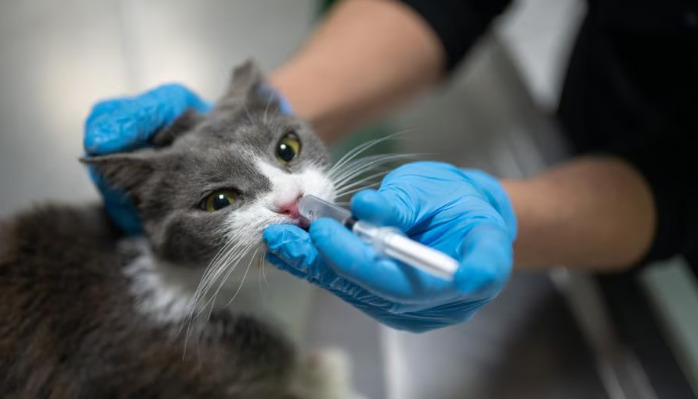
Supplementary Medications: Supportive drugs like corticosteroids, antibiotics, or anti-inflammatory medications could add $200 to $600.
Veterinary Care and Monitoring
Frequent veterinary visits are essential to monitor the cat’s progress during treatment.
Follow-up Exams: Each visit may cost $50 to $150, with multiple visits needed.
Blood Tests: Regular monitoring of liver, kidney function, and overall health adds to the expenses.
Hospitalization: Some cats might require inpatient care during critical phases, costing $200 to $500 per day, depending on the extent of care needed.
Supportive and Palliative Therapies
While antiviral treatments are promising, supportive care remains vital.
Fluid Therapy: Managing ascites or dehydration can cost $50 to $150 per session.
Nutritional Support: High-quality, specialized diets or appetite stimulants may total $50 to $200 monthly.
Pain Management: Analgesics can range from $20 to $70 per prescription, depending on the medication and dosage.
Home Care Supplies: Additional costs include syringes, special diets, and medicated shampoos, totaling approximately $50 to $100 monthly.
Additional Factors that Influence Cost
Several variables can alter the overall expense of FIP treatment.
Geographic Location: Veterinary fees and drug prices vary significantly across different regions and countries.
Treatment Accessibility: Limited availability or regulatory restrictions on antiviral medications may impact procurement costs.
Severity of the Disease: Advanced, systemic cases require more intensive and prolonged treatment, heightening costs.
Owner’s Commitment: Frequent visits and diligent care can increase expenses but are essential for success.
Financial Considerations and Ethical Dilemmas
Given the high costs, many owners face tough decisions when considering FIP treatment.
Insurance Coverage: Veterinary insurance plans vary, and many exclude unusual or experimental treatments like antivirals for FIP.
Cost-Benefit Analysis: The potential for a cure must be weighed against financial constraints and the quality of life for the cat.
Alternative Options: In some cases, palliative care or humane euthanasia might be considered, raising ethical and emotional questions.
Potential for Cost Reduction
Innovative approaches and future developments could influence the treatment economy.
Bulk Purchase and Online Resources: Accessing medications from reputable online vendors might reduce costs but involves risk.
Experimental Protocols: Participation in clinical trials or research programs may offer reduced-cost options and advance scientific understanding.
Pet Insurance Expansion: As awareness grows, more comprehensive coverage might become available for costly treatments like FIP antivirals.
The Road Ahead
While current antiviral therapies represent a breakthrough, the financial burden remains a significant consideration. Advances in drug development, increased availability, and evolving veterinary practices are likely to influence future costs. Owners must evaluate not only the immediate expenses but also long-term impacts on their pet’s health and well-being.
References
1. Pedersen, N. C. (2014). An update on feline infectious peritonitis: Virology and immunology. Veterinary Immunology and Immunopathology, 159(3-4), 142–152.
2. Venner, M., Hotaling, S., & Meinzer, F. (2021). The emerging role of antiviral therapy in feline infectious peritonitis. Journal of Feline Medicine and Surgery, 23(2), 193–202.
3. Addie, D. D., & Jarrett, O. (2017). Feline coronavirus: Diversity and complexities. Veterinary Microbiology, 212, 76–83.
4. Howerth, E. W. (2020). Economics and ethics of FIP treatment. Veterinary Medicine, 49(4), 498–505.
5. Chang, H. C., Hartmann, K., & Addie, D. (2018). Feline infectious peritonitis: Diagnostics, therapy, and prevention. Journal of Small Animal Practice, 59(4), 174–183.